Vaginal Hysterectomy
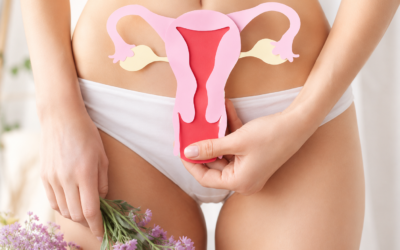
Vaginal hysterectomy is a surgical procedure that involves the complete removal of the uterus through the vagina, eliminating the need for an abdominal incision. During this procedure, incisions are made at both the upper and lower parts of the cervix, and the ligaments and blood vessels that support the uterus are carefully detached. Once the uterus is removed, the surrounding tissue is properly closed.
Vaginal hysterectomy is considered a safe and effective method for uterine removal. It is often preferred for suitable patients because it avoids abdominal incisions, offers a more comfortable recovery process, and provides aesthetic benefits.
Why Is Vaginal Hysterectomy Preferred?
A major advantage of this method is that the uterus can be removed without any abdominal incisions. In vaginal surgeries, there are no visible scars, which generally makes the postoperative period more comfortable.
Here are some benefits of this approach:
- Postoperative pain is usually less severe.
- The recovery time is shorter.
- The risk of wound infection is minimal.
- It provides aesthetic advantages.
- Pelvic floor repair can be performed during the same session.
This method, which enhances women’s quality of life, is particularly effective for conditions such as uterine prolapse, abnormal uterine bleeding, and certain types and sizes of fibroids.
In Which Cases Is It Suitable?
Vaginal hysterectomy is preferred in the following situations:
- Uterine Prolapse: This occurs when the uterus descends into the vagina.
- Uncontrolled Uterine Bleeding: When uterine bleeding persists and cannot be managed with medication or minor procedures, a hysterectomy may become necessary.
- Benign Fibroids: If the size of the uterus is suitable, fibroids can be removed through the vaginal route.
- Women Who Have Completed Childbearing: The vaginal approach is preferred if pelvic repair or urinary incontinence repair needs to be performed during the same procedure.
In some cases, if the uterus is particularly large or there are extensive adhesions in the abdomen, your surgeon may recommend laparoscopic or open surgery instead. The most suitable approach is determined by assessing each patient’s anatomy, obstetric history, and current medical conditions.
How Is the Surgery Performed?
The surgery is typically performed under general anesthesia. An incision is made in the upper part of the vagina, extending through the cervix. The ligaments and blood vessels that support the uterus are carefully tied off, and then the uterus is removed. Depending on the specific situation, the ovaries and fallopian tubes may also be removed through the same incision. For experienced surgeons, the average duration of the surgery is approximately 1 to 2 hours. Patients are often able to get up on the same day and may be discharged within a few days.
Advantages of the Surgery
- No abdominal incision: This results in no scarring, making the healing process more aesthetically pleasing.
- Low pain levels: Patients experience high comfort following the surgery.
- Quick recovery: Most patients can resume their daily activities in a short period.
- Short hospital stay: Typically, patients are discharged within 1 to 2 days.
- Can be performed alongside pelvic floor repair: Conditions such as urinary incontinence or vaginal prolapse can be addressed during the same procedure.
Possible Risks and Points to Consider
A vaginal hysterectomy, like any surgical procedure, carries certain risks.
Although rare, complications such as bleeding, infection, or injury to surrounding organs may occur during the surgery. The surgeon’s experience, the patient’s overall health, and proper preoperative preparationare crucial in minimizing these risks. It’s normal to experience light bloody discharge for a few weeks after the surgery.
However, you should contact your doctor immediately if you notice any of the following:
- Increased bleeding
- Foul-smelling discharge
- A fever above 38°C
- Swelling or pain in your legs
Recovery Period and Aftercare
Most patients are able to walk within 24 hours after surgery. During the first 10 to 14 days, the following precautions should be observed:
- Avoid lifting heavy objects.
- Do not use bathtubs or swimming pools.
- Prevent constipation.
- Refrain from sexual intercourse. The total recovery period typically lasts around six weeks.
Performing pelvic floor exercises during this time is beneficial, as it helps strengthen the muscles and reduces the risk of future prolapse or urinary incontinence.
Preoperative Preparation
Before surgery, a thorough gynecological examination and ultrasound are conducted.
Additional tests, such as a cervical PAP test (Pap smear), endometrial biopsy, or hysteroscopy, may be requested. Blood tests and an anesthetic evaluation are also completed prior to the procedure.
If the patient smokes or has chronic conditions such as diabetes or hypertension, these must be well-managed before the operation.
Who Is Not Suitable for Vaginal Hysterectomy?
Patients;
- with a very large uterus,
- extensive intra-abdominal adhesions,
- advanced endometriosis, or
- a high suspicion of malignancy may not be suitable candidates for a vaginal hysterectomy.
In these situations, your surgeon may recommend a laparoscopic or open abdominal hysterectomy instead.
Does It Affect Sexual Life or Hormones?
If only the uterus is removed while the ovaries are preserved, menstrual bleeding will stop, but hormone production will continue. As a result, surgical menopause does not take place.
However, if the ovaries are also removed, menopausal symptoms may develop, and your doctor might recommend hormone therapy if appropriate. Sexual intercourse is generally permitted six weeks after the surgery, and many women report a pain-free and more comfortable sexual experience following recovery.
Conclusion
Vaginal hysterectomy is a modern and reliable surgical procedure that safely removes the uterus in eligible patients and allows for a rapid recovery. With proper patient selection, thorough preoperative preparation, skilled surgeons, and regular postoperative follow-up, patients can experience both a comfortable recovery and an improvement in their overall quality of life.
In Ankara, Prof. Dr. Şadıman Kıykaç Altınbaş provide scientifically grounded, trustworthy, and personalized care in the field of vaginal hysterectomy. For more detailed information and to schedule appointments, please visit our contact page.
Frequently Asked Questions
- Will I still have my period after vaginal hysterectomy?
No. Since the uterus is removed, menstrual bleeding will cease. Even if the ovaries remain, menstruation will stop. - When will I fully recover?
Light household activities can typically be resumed within 2 to 3 weeks, while sexual activity and more intensive work usually return to normal after about 6 weeks. - Does this surgery cause weight gain?
The surgery itself does not lead to weight gain. However, temporary inactivity during recovery may result in a slight weight increase. - How does vaginal hysterectomy affect sexual life?
The vaginal anatomy is preserved, and many patients report a pain-free and more comfortable sexual experience after healing. - Where can I undergo vaginal hysterectomy in Ankara?
There are numerous specialized women’s health centers and experienced gynecologists conducting this procedure in Ankara. Gynovart Women’s Health Clinic provides modern techniques and a patient-centered approach to ensure maximum comfort and safety.