What Is Laparoscopic Surgery?
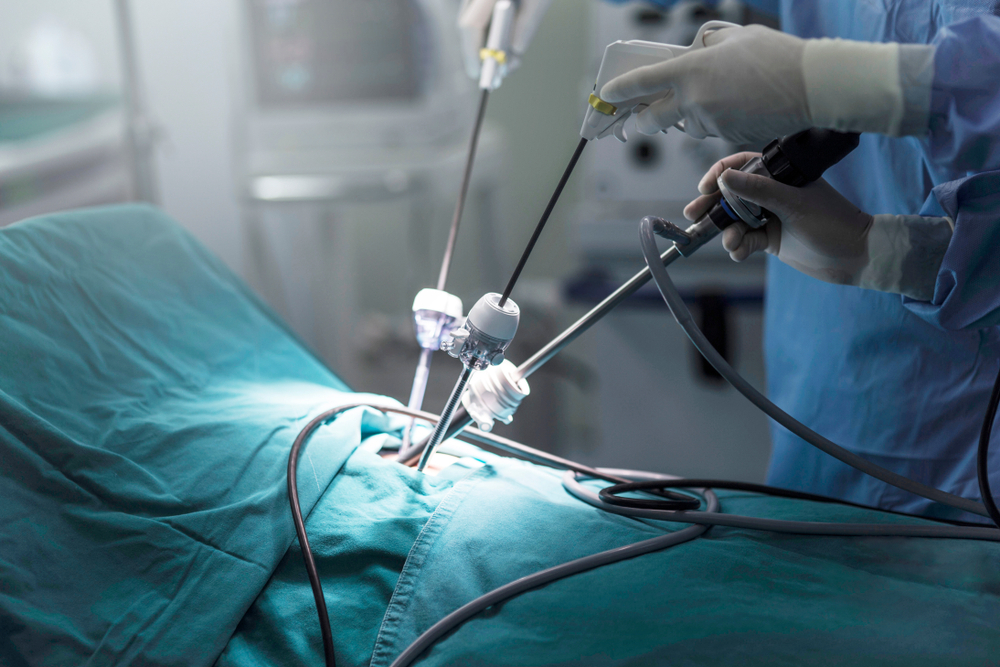
Laparoscopic surgery, also known as minimally invasive surgery, is a surgical technique in which the abdominal cavity is accessed through incisions measuring approximately 0.5 to 1 cm. The intra-abdominal organs are visualised using a camera, and the operation is performed with the assistance of specialised surgical instruments.
Who Can Undergo Laparoscopic Surgery? Procedures Performed Using Laparoscopic Surgery
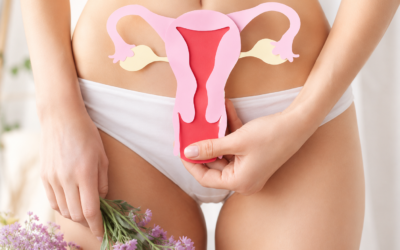
Laparoscopy is used in many areas of gynaecological practice, including:
- Patients with ovarian cysts or masses
- Patients with fibroids, when removal of the fibroid or uterus is required
- Infections and abscesses involving the ovaries and fallopian tubes
- The diagnosis and treatment of conditions causing infertility
- The diagnosis and treatment of congenital abnormalities of the uterus and fallopian tubes
- Procedures involving the suspension of the bladder and urethra for the treatment of urinary incontinence
- The repair and suspension of prolapse involving the uterus, bladder and large bowel
- The treatment of endometrial cancer
- Surgical treatment of cervical and ovarian cancers following assessment according to the stage of the disease
How Is Laparoscopic Surgery Performed?
Laparoscopic operations are performed under general anaesthesia. After the abdominal cavity is insufflated, or inflated, with gas, an incision is made through the umbilicus. A tube called a trocar is inserted, and the abdominal cavity is visualised using an optical device, or camera.
The operation is then performed by placing two or three additional trocars measuring approximately 3–5 mm.
Recovery Period After Laparoscopic Surgery
Following surgery, the patient is monitored for a period of time in the recovery room. Once the patient has awakened from anaesthesia and her condition has stabilised, with stable blood pressure, pulse and respiration, she is transferred to her room.
After the patient has been transferred to her room and the effects of anaesthesia have worn off, she is encouraged to stand up and begin moving as soon as possible. If tolerated, oral intake is started with water. If there is no nausea or vomiting, light foods are then introduced.
Laparoscopic surgery is superior to open surgery in terms of returning to normal daily life. The patient is able to stand up and begin eating sooner. Nausea and vomiting are less common, and the level of pain experienced is lower.
As the surgical incisions are smaller, laparoscopic surgery also provides better cosmetic results. The risk of developing a postoperative hernia is very low, and intra-abdominal adhesions are less common following these operations.
These procedures may be particularly beneficial and potentially life-saving in overweight and severely overweight patients. The likelihood of wound discharge and infection is very low, and the length of hospital stay is shorter.
Frequently Asked Questions
1. Is There Pain After Laparoscopy?
Pain may be experienced due to the carbon dioxide gas used during the operation. This pain is usually mild and may continue for a few days. It may be felt in the shoulders, particularly in the right shoulder, because the gas affects the diaphragm.
The patient generally feels progressively better with each passing minute and hour following surgery. Pain-relieving medication may be used as recommended by the physician.
2. When Does Bloating Resolve After Laparoscopy?
The sensation of bloating following laparoscopy gradually decreases and disappears within a few days. The same is generally true for pain.
A patient who has undergone laparoscopic surgery is usually able to stand up more easily, resume personal daily activities and recover within a relatively short period.
Following surgery, the body uses more energy to heal in response to surgical stress. The patient may therefore feel more tired and weak than usual. Resting during this period will help support a faster recovery.
3. When Can Sexual Intercourse Be Resumed After Laparoscopy?
The appropriate time to resume sexual intercourse varies according to the type of operation performed.
A patient who has undergone removal of the uterus, or hysterectomy, may resume sexual intercourse during the second month following surgery. A patient who has undergone minimally invasive surgery involving an ovarian cyst or the fallopian tubes may be able to resume sexual intercourse within two weeks.
4. When Will I Fully Recover After Laparoscopy?
The recovery period following laparoscopy varies from person to person. It depends on factors such as whether the procedure was performed for diagnostic or therapeutic purposes, the patient’s general health and whether any complications developed during surgery.
If laparoscopy was performed to diagnose a condition, known as diagnostic laparoscopy, normal activities can generally be resumed within five to seven days.
If laparoscopy was performed to treat a condition, the recovery period depends on the type of treatment. Recovery following laparoscopic surgery performed for an abscess or cancer may take longer than recovery following other laparoscopic procedures.
5. Is Laparoscopy Suitable for Everyone?
Laparoscopic surgery is not suitable for every patient. Following an examination and medical assessment, your physician will determine whether you are an appropriate candidate for this type of surgery.