
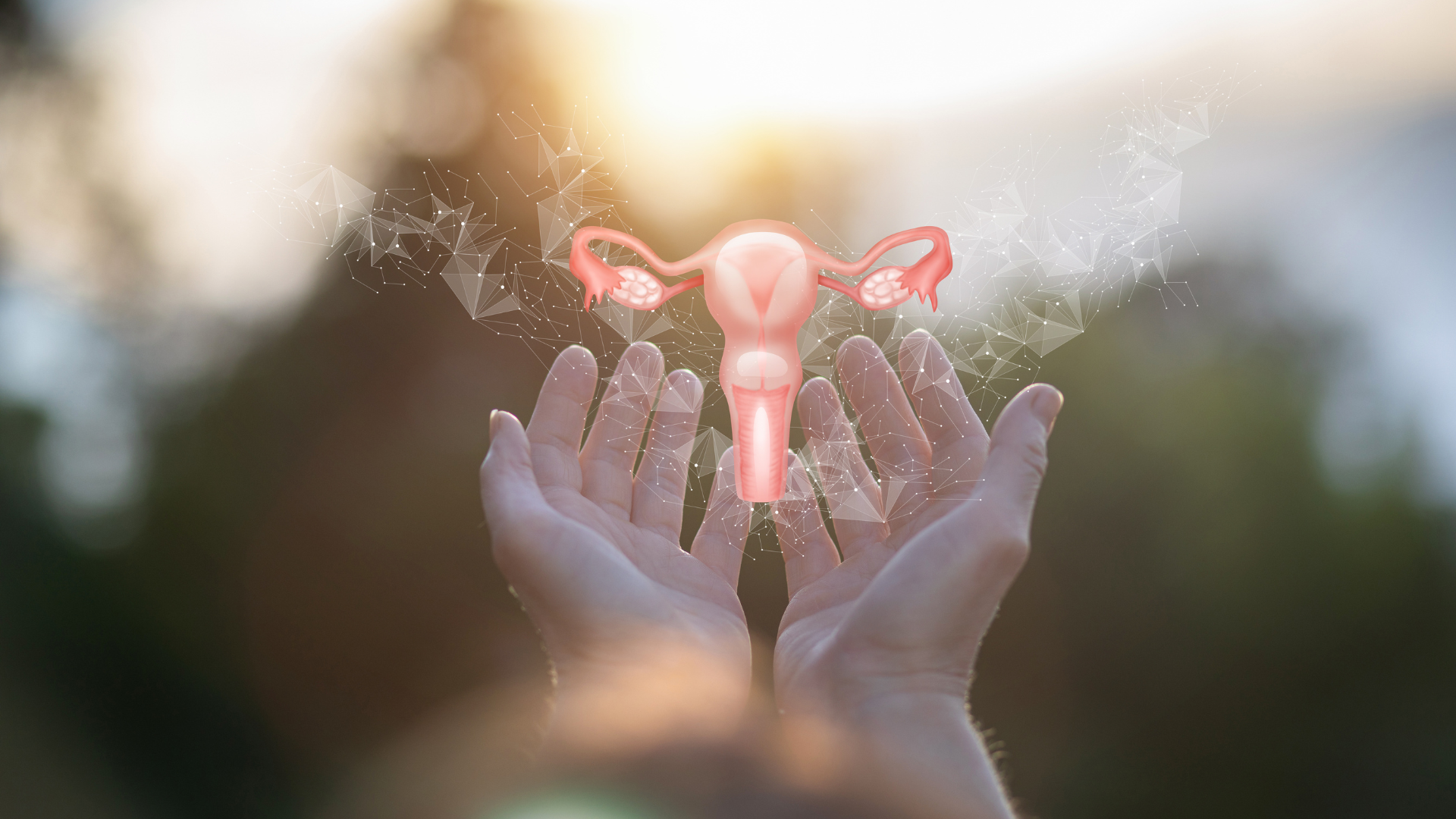
Hysteroscopic Surgery: The Effective Role of Hysteroscopy in Diagnosis and Treatment
What Is Hysteroscopy?
Hysteroscopy is performed using a thin tube inserted into the uterus through the vagina. A camera and light system located at the tip of this tube allow the physician to directly examine the inner surface of the uterus. Like a telescope, it enables us to see every detail within the uterine cavity clearly.
Common Uses of Hysteroscopy
Hysteroscopy is a versatile diagnostic and treatment method in the field of women’s health.
For Diagnostic Purposes
We frequently use hysteroscopy to identify abnormalities within the uterus, polyps, fibroids, endometrial hyperplasia or the causes of abnormal bleeding. Hysteroscopy acts like a microscope that helps us detect any problem within the uterine cavity.
For Treatment Purposes
We use hysteroscopy to correct problems within the uterus. For example, we remove polyps or fibroids, treat intrauterine adhesions or resolve problems involving excessive bleeding.
In Which Situations Is Hysteroscopy Performed?
Intrauterine Fibroids and Polyps
These benign tumours may increase uterine bleeding and cause infertility. With hysteroscopy, we can directly visualise and remove these lesions.
Intrauterine Adhesions
Adhesions within the uterine cavity may make it difficult to become pregnant. Through hysteroscopy, we separate these adhesions and restore the shape of the uterine cavity.
Heavy Menstrual Bleeding
Heavy bleeding that does not respond to medical treatment may be treated with hysteroscopy.
Abnormal Bleeding
Any abnormal bleeding occurring outside the menopausal period may be evaluated through hysteroscopy.
Infertility
When investigating the causes of infertility, we perform hysteroscopy to determine whether there are structural abnormalities within the uterine cavity.
Which Conditions Require Hysteroscopy?
Endometrial Polyps and Submucosal Fibroids
These benign tumours may cause menstrual irregularities and bleeding.
Intrauterine Adhesions
Adhesions may make it difficult to become pregnant and may increase the risk of miscarriage.
Uterine Septum
A septum, which is a partition within the uterus, may affect fertility.
Heavy Menstrual Bleeding
Heavy bleeding that does not respond to medical treatment may be treated with hysteroscopy.
How Is Hysteroscopic Surgery Performed?
Hysteroscopy is performed using an instrument that can be compared to a small telescope. We insert this instrument through the cervix to visualise the inside of the uterus.
When necessary, we perform minor surgical procedures using this instrument. For example, we remove lesions such as polyps or fibroids. The procedure is generally performed under local anaesthesia, and the patient can usually return home on the same day.
Diagnosis and Treatment with Hysteroscopy
Hysteroscopy is used for both diagnostic and therapeutic purposes. For example, we perform hysteroscopy to determine the cause of recurrent miscarriages or failed in vitro fertilisation attempts. We also use this method to treat abnormalities within the uterine cavity.
Points to Consider After Hysteroscopy
Mild bleeding and cramping are normal after hysteroscopy. You may use pain-relieving medication recommended by your physician.
It is important to consult your physician before resuming sexual intercourse. You should contact your physician if you experience excessive bleeding, severe pain or foul-smelling vaginal discharge.
Frequently Asked Questions
When Should I Resume Sexual Intercourse After Hysteroscopy?
It is important to wait for the period recommended by your physician.
Is It Possible to Become Pregnant in the Same Month as Hysteroscopy?
Yes, it is possible. However, it is important to follow your physician’s recommendations.
Is Hysteroscopy Harmful?
As with every surgical procedure, hysteroscopy carries certain risks. However, it is generally considered a safe procedure.
Conclusion
If you would like to receive further information about hysteroscopic surgery or seek a specialist opinion regarding health conditions affecting the uterine cavity, Prof. Dr Şadıman Kıykaç Altınbaş, a Specialist in Obstetrics and Gynaecology practising in Ankara, may assist you with her experience and comprehensive approach.
You may schedule an appointment to protect your reproductive health and evaluate the most appropriate treatment options.
Please remember: This information is intended as a general guide. The treatment plan may differ for each patient. Therefore, it is important to follow your physician’s recommendations.