What Is Labiaplasty? Why Is It Performed and What Is the Recovery Process?
What Is Labiaplasty?
Labiaplasty is a surgical procedure performed to reduce or increase the size of the labia. Although this procedure is generally preferred for cosmetic reasons, it may also be performed to reduce physical discomfort. Every individual’s genital anatomy is unique, and there is no single definition of an “ideal” appearance.
What Are the Labia?
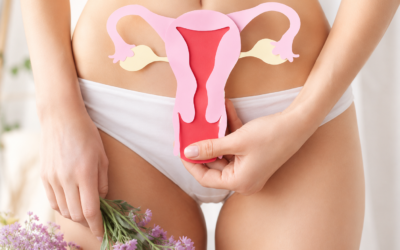
The labia are folds of skin surrounding the vaginal opening. They consist of two layers of tissue:
- Labia majora: These are the outer folds. They are larger and fleshier and protect the external genital organs. After puberty, they become covered with hair.
- Labia minora: These are the inner folds and protect the openings of the urinary tract and vagina.
Why Is Labiaplasty Performed?
Labiaplasty may be performed for several main reasons:
Medical and Physical Reasons
Reducing the size of the labia minora prevents the tissue from protruding beyond the outer labia. Otherwise, discomfort and irritation may occur during exercise, physical activity or sexual intercourse. In addition, excess labial tissue may allow bacteria in the genital area to contribute to urinary tract infections.
Cosmetic and Emotional Reasons
Correcting asymmetry of the labia minora or labia majora may improve the appearance of the genital area and increase personal comfort and self-confidence.
Age Range for Labiaplasty
Labiaplasty is generally not recommended for individuals under the age of 18 because the labia minora may continue to develop after puberty.
How Is Labiaplasty Performed?
Labiaplasty is a surgical procedure performed to change the size or shape of the labia. The procedure is generally carried out under general anaesthesia or local anaesthesia with sedation and may be performed using various techniques. The main stages of the labiaplasty procedure are as follows:
Anaesthesia
Labiaplasty is generally performed under general anaesthesia or local anaesthesia with sedation. General anaesthesia puts the entire body to sleep, whereas local anaesthesia with sedation numbs only the surgical area while helping the patient remain comfortable.
Tissue Removal
Cutting and Removing Tissue
Labiaplasty generally involves removing excess or unwanted tissue from the labia minora or labia majora. The tissue is usually cut using a scalpel or laser.
Reduction
The reduction procedure is generally performed by removing tissue until the desired labial shape and size are achieved.
Tissue Augmentation
Dermal Fillers
If enlargement or additional fullness of the labial tissue is desired, dermal fillers, such as hyaluronic acid-based fillers, may be injected.
Fat Tissue
Alternatively, the patient’s own fat tissue may be taken from another area of the body, usually the abdomen or hips, and injected into the labia. This may provide more natural fullness.
Cutting and Suturing
Sutures
After the tissue has been removed, the remaining edges are closed using absorbable sutures. These sutures do not usually need to be removed and dissolve spontaneously over time.
Use of a Laser or Scalpel
A laser or conventional surgical instruments may be used for both tissue removal and suturing. A laser may reduce bleeding and accelerate the healing process.
Recovery Process
Duration
The entire procedure generally takes between one and two hours.
Recovery
The recovery process generally lasts several weeks. During this period, patients may experience swelling, bruising and mild pain. Patients are also advised to avoid sexual intercourse and strenuous physical activity while healing.
Recovery Process
Keeping the Area Clean and Free from Infection
Cleaning
Keeping the surgical area clean and dry reduces the risk of infection. Your physician will generally provide specific instructions regarding how the area should be cleaned and which products may be used.
Hygiene
The area should be cleaned regularly to reduce the risk of infection, and excessive moisture should be avoided.
Wearing Loose Underwear and Clothing
Comfortable Clothing
Wearing comfortable, loose-fitting clothing reduces friction and irritation. Tight clothing or underwear may cause discomfort during the healing process.
Cotton Underwear
Cotton underwear allows the area to breathe and helps keep it dry, thereby supporting healing.
Avoiding Sexual Intercourse for at Least Four Weeks
Sexual Activity
It is recommended to avoid sexual intercourse for at least four weeks during the healing process. Sexual intercourse may interfere with healing and increase the risk of infection.
Avoiding Strenuous Physical Activity for Four to Six Weeks
Physical Activity
Strenuous physical activity, heavy lifting and exercise should be avoided. This supports healing of the area and reduces the risk of complications.
Following Your Surgeon’s Recommendations
Physician’s Instructions
It is important to follow all care instructions provided by your surgeon. This helps accelerate the healing process and prevent complications.
Follow-Up Appointments
Attending scheduled follow-up appointments allows the healing process to be monitored and enables any problems to be detected at an early stage.
These general recommendations will guide you during the recovery period following labiaplasty. Every individual’s recovery process may be different. Therefore, it is best to contact your physician if you experience any problems, pain or concerns.
Side Effects
Pain, bruising and swelling for up to two weeks after surgery are considered normal. A burning sensation during urination and discomfort while sitting may also occur.
Possible Complications
In rare cases, bleeding, infection or scar tissue may develop. Reduced sensitivity or loss of sensation in the genital area may also occur.
Conclusion
It is important to remember that every individual has different labial sizes and shapes. When deciding whether to undergo labiaplasty, a detailed discussion between the patient and physician regarding the amount of tissue to be removed and the extent of the procedure is critically important.
Receiving support from an experienced obstetrician and gynaecologist is highly important throughout this process. Prof. Dr Şadıman Kıykaç Altınbaş, a Specialist in Obstetrics and Gynaecology practising in Ankara, guides her patients as a physician specialising in the management of such conditions. You may contact us for further information.