PCOS Is Now Referred to as PMOS: What Does This Change Mean for Women’s Health?
Why Was the Name PCOS Changed?
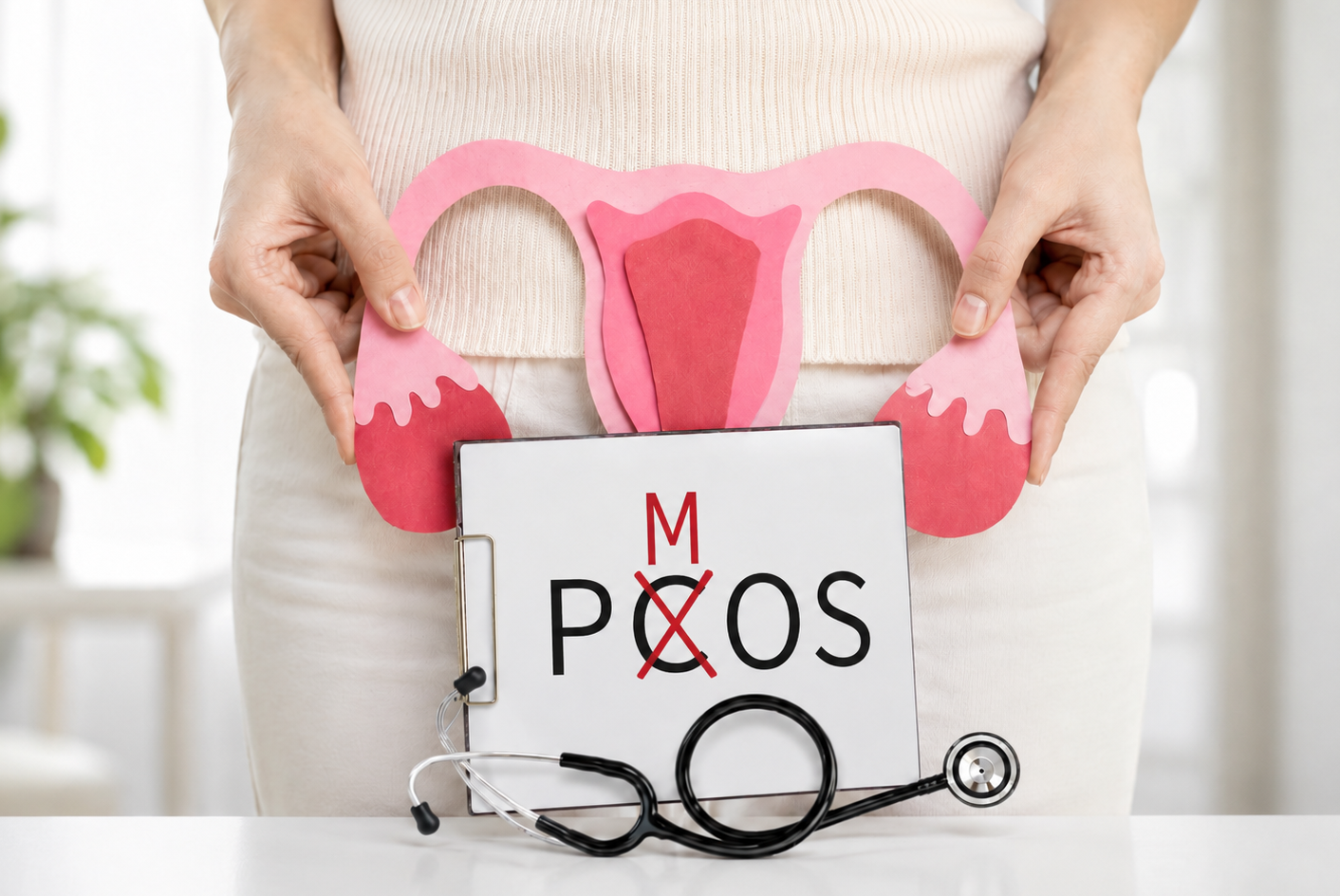
PCOS, or Polycystic Ovary Syndrome, which has long been one of the most frequently discussed hormonal conditions in women’s health, has now begun to be referred to by a more inclusive name in the international literature: PMOS — Polyendocrine Metabolic Ovarian Syndrome.
This change is not merely a rearrangement of words. In fact, it represents the redefinition of a condition that has long been reduced to the question, “Are there cysts in the ovaries or not?” within a much broader health framework.
The name PCOS created the impression among many people that the condition was related only to the ovaries and, particularly, to “cysts.” However, we now know that this is a multifaceted condition requiring the combined assessment of hormonal balance, ovulation patterns, metabolic health, insulin resistance, skin findings, weight management, psychological well-being and long-term health risks.
For this reason, the new name PMOS, or Polyendocrine Metabolic Ovarian Syndrome, is important because it more accurately reflects that the condition is not limited to the ovaries and involves the relationship between the endocrine system, metabolism and reproductive health.
What Does PMOS Mean?
PMOS stands for Polyendocrine Metabolic Ovarian Syndrome.
When we break the name down into its components, it actually tells us a great deal:
Polyendocrine indicates that multiple hormonal systems may be affected. In other words, the condition does not involve only ovarian hormones; insulin, androgens, metabolic hormones and various endocrine mechanisms may also form part of the clinical picture.
Metabolic indicates that issues such as insulin resistance, weight management, blood glucose balance, cholesterol levels and long-term cardiovascular health must also be considered.
Ovarian preserves the condition’s relationship with the reproductive system. Menstrual irregularities, ovulation disorders and pregnancy planning remain important areas in the evaluation of PMOS.
For this reason, PMOS is a much more comprehensive definition than the former name, PCOS. Rather than assessing the patient solely through an ultrasound image or the follicles seen in the ovaries, it reminds us to consider the patient’s entire health profile.
Are PCOS and PMOS the Same Condition?
Yes. For individuals who have previously been diagnosed with PCOS, this does not mean that the condition has become an entirely different disease. The underlying health condition remains the same; however, a more accurate and inclusive name is now being used to describe it.
Therefore, if you were previously diagnosed with Polycystic Ovary Syndrome, your diagnosis does not become invalid. Only the name of the condition and the way it is described in the medical literature and clinical practice are changing.
This change is particularly important because the name PCOS placed the concept of “cysts” at the centre of the condition. The PMOS approach, however, emphasises that the patient should be assessed not only with an ovarian ultrasound but also according to menstrual patterns, hormone profile, metabolic findings, skin and hair changes, weight changes, insulin resistance and life plans.
Why Was the Term “Cyst” Misleading?
The term “polycystic” in PCOS was commonly understood by the public as meaning “there are many cysts in the ovaries.” This caused confusion both for patients and in some clinical assessments.
However, the structures that may be visible on ultrasound in PCOS or PMOS are not always “cysts” in the traditional sense. They are often small follicles arranged within the ovaries. Furthermore, this ultrasound appearance does not have to be present in every patient with PCOS or PMOS.
The important point is this: if a person has findings such as significant menstrual irregularity, ovulation problems, excessive hair growth, acne, hair loss or insulin resistance, the absence of a “polycystic ovarian appearance” on ultrasound may not, on its own, be sufficient to completely exclude the condition.
This is why the name PMOS carries a stronger meaning. Instead of reducing the diagnosis to the appearance of the ovaries, it supports the combined assessment of all the signals given by the body.
What Are the Symptoms of PMOS?
PMOS does not present in the same way in every woman. Menstrual irregularity may be the most prominent finding in some individuals, whereas skin problems, weight gain, insulin resistance or difficulty becoming pregnant may be more noticeable in others.
Common symptoms associated with PMOS include:
- Menstrual irregularities
- Infrequent menstrual periods or prolonged absence of menstruation
- Irregular ovulation
- Increased hair growth on the face, chin, chest, abdomen or back
- Acne and oily skin
- Thinning of the hair or male-pattern hair loss
- Weight gain or difficulty losing weight
- Increased fat accumulation, particularly around the abdomen
- Insulin resistance
- Impaired blood glucose balance
- Difficulty becoming pregnant
- Fatigue and low energy levels
- Mood changes
- Anxiety, stress or self-confidence problems
However, the point that should be emphasised is that PMOS cannot be diagnosed based on a single symptom. Each patient’s medical history, examination findings, hormone levels, metabolic indicators and, where necessary, ultrasound findings must be evaluated together.
Does PMOS Affect Only Reproductive Health?
No. One of the most important aspects of PMOS is that it is not limited to menstrual regularity or pregnancy planning.
Menstrual irregularities, ovulation problems and infertility, meaning difficulty becoming pregnant, are naturally important aspects of PMOS assessment. However, the condition is also closely associated with metabolic health.
Insulin resistance may be common in PMOS. Insulin resistance may affect the way the body uses glucose and may increase the long-term risk of type 2 diabetes. Weight management, cholesterol levels, blood pressure, fatty liver disease and cardiovascular health should also be carefully monitored.
For this reason, the PMOS approach does not simply ask, “Are your periods regular?” or “Are there cysts in your ovaries?” It requires a broader health perspective.
How Is PMOS Diagnosed?
PMOS is diagnosed through an individualised and comprehensive assessment. During the diagnostic process, the patient’s symptoms, menstrual pattern, excessive hair growth and skin findings, weight changes, family history, pregnancy plans and metabolic risk factors are considered together.
If the physician considers it necessary, the evaluation may include:
- A detailed gynaecological history
- Assessment of menstrual regularity
- Clinical signs of hyperandrogenism
- Hormone tests
- Assessment of blood glucose and insulin resistance
- Lipid profile
- Tests important for the differential diagnosis, such as thyroid function and prolactin levels
- Ultrasound assessment of the ovaries
- Metabolic indicators such as body mass index and waist circumference
One of the most important aspects of diagnosis is excluding other conditions that may cause similar symptoms. Menstrual irregularities, excessive hair growth, hair loss and changes in body weight may not be caused solely by PMOS. Thyroid disorders, elevated prolactin levels, adrenal hormone disorders and other endocrine conditions may also cause similar findings.
For this reason, a diagnosis should not be made solely on the basis of symptoms read about online or a single laboratory result.
How Is PMOS Treatment Planned?
There is no single treatment approach for PMOS that is suitable for everyone. This is because each patient may have different priorities.
For one patient, regulating menstrual periods may be the primary goal. For another, the priority may be treating acne and excessive hair growth, managing insulin resistance or planning a pregnancy.
The treatment plan is personalised according to:
- The patient’s age
- The type and severity of the symptoms
- Menstrual regularity
- Hormone profile
- Metabolic risks
- Body weight
- Skin and hair findings
- Desire for pregnancy
- Lifestyle
- Accompanying medical conditions
Lifestyle changes play an important role in the management of PMOS. A balanced diet, regular physical activity, adequate sleep, stress management and sustainable weight control may support metabolic health.
Depending on the physician’s assessment, some patients may be offered treatments to regulate menstrual cycles, medications for insulin resistance, treatments for excessive hair growth or acne, treatments to support ovulation or approaches specifically planned for pregnancy.
However, all these options must be evaluated individually. The aim of PMOS management is not only to suppress symptoms but also to create a personalised plan that protects long-term health, improves quality of life and meets the patient’s needs.
The Relationship Between PMOS and Insulin Resistance
To understand the “metabolic” aspect of PMOS, insulin resistance must be assessed correctly.
Insulin is one of the primary hormones that helps cells use glucose from the bloodstream. When insulin resistance is present, the body cannot respond adequately to insulin. The pancreas then attempts to maintain balance by producing more insulin.
High insulin levels may affect androgen production in the ovaries. Increased androgen levels may be associated with symptoms such as excessive hair growth, acne, hair loss and irregular ovulation.
For this reason, it is important to assess not only hormone levels but also metabolic indicators in PMOS. Blood glucose, insulin resistance, cholesterol levels and weight management all form part of this comprehensive approach.
PMOS and Pregnancy Planning
PMOS may make it more difficult for some patients to become pregnant because it can cause irregular ovulation. However, this does not mean that everyone diagnosed with PMOS will be unable to become pregnant naturally.
In some patients, lifestyle changes and improved metabolic balance may positively affect ovulation. In other cases, treatments that support ovulation or assisted reproductive methods may be considered under medical supervision.
For patients with PMOS who are planning a pregnancy, not only ovulation but also blood glucose balance, body weight, assessment of the uterine cavity, male-factor fertility and general health should be evaluated together.
Therefore, the belief that “I have PMOS, so I cannot become pregnant” is not correct. With an appropriate assessment and an individualised treatment plan, suitable options can be developed for many patients.
Why Is a Comprehensive Approach Important in PMOS Follow-Up?
PMOS is a condition that may require long-term follow-up. Symptoms may change over time. During adolescence, menstrual irregularities and acne may be the most prominent concerns, whereas weight management, insulin resistance, pregnancy planning or long-term metabolic risks may become more important at later ages.
For this reason, PMOS follow-up should consider not only the patient’s current complaints but also her future health risks.
At Gynovart, our approach is to assess the patient not solely according to a diagnostic label but together with her overall health. For patients with a diagnosis or suspected diagnosis of PMOS, the aim is to establish the correct diagnosis, reduce unnecessary anxiety, manage symptoms and create a personalised follow-up plan that protects long-term health.
From PCOS to PMOS: Why Is This Change Valuable for Patients?
At first glance, the change in terminology may appear to be a technical detail. However, the names used in healthcare influence how both physicians and patients understand a condition.
For many years, the name PCOS directed attention towards the ovaries and the concept of “cysts.” PMOS provides a more accurate message: this is a multifaceted condition involving hormonal, metabolic and reproductive health.
This change may contribute to reducing delays in diagnosis, ensuring that patients receive more comprehensive assessments, identifying metabolic risks earlier and developing more personalised treatment plans.
Most importantly, it may help patients understand themselves more accurately. PMOS is not “just cysts in the ovaries.” It is a health condition requiring the combined assessment of signals from different systems of the body.
When Should You Consult an Obstetrician and Gynaecologist?
It is important to consult an obstetrician and gynaecologist if you have one or more of the following symptoms:
- Your menstrual periods are frequently delayed
- You have very few menstrual periods each year
- You do not menstruate for prolonged periods
- You have increased hair growth on the face, chin, chest or abdomen
- Acne continues into adulthood
- You notice hair loss or thinning hair
- You have difficulty losing weight
- You have been diagnosed with insulin resistance
- You are experiencing difficulty becoming pregnant
- You were previously diagnosed with PCOS and would like to undergo a comprehensive assessment
Early assessment is important both for managing symptoms and reducing long-term health risks.
Conclusion: PMOS Offers a More Accurate Perspective on Women’s Health
The shift from PCOS to PMOS represents an important step in raising awareness of women’s health. This change allows a multifaceted condition that has remained in the shadow of the word “cyst” for many years to be understood more accurately.
PMOS requires the combined assessment of hormonal balance, metabolic health, ovulation patterns, skin and hair findings, weight management, psychological well-being and long-term health risks.
For this reason, the diagnostic and follow-up process does not progress in the same way for every patient. Every woman’s symptoms, body, life plans and health priorities are different.
At Gynovart, PMOS is approached through a comprehensive perspective on women’s health, current scientific assessment and personalised follow-up. Prof. Dr Ömer Lütfi Tapısız and Prof. Dr Şadıman Kıykaç Altınbaş provide a meticulous approach to the accurate diagnosis of PMOS, the identification of metabolic risks and personalised treatment planning through their experience in gynaecological assessment and women’s health.
✨ Awareness is the first step towards accurate diagnosis and appropriate follow-up.
Frequently Asked Questions
Is PCOS Now Called PMOS?
Yes. PCOS, or Polycystic Ovary Syndrome, has now begun to be referred to in the international literature as PMOS — Polyendocrine Metabolic Ovarian Syndrome. This change emphasises that the condition should be evaluated not only in relation to ovarian cysts but also in the context of hormones, metabolism and reproductive health.
Are PMOS and PCOS the Same Condition?
Yes. PMOS is the more current and comprehensive name for PCOS. The condition itself has not changed; however, its name has been updated to describe the clinical picture more accurately.
Do I Need to Be Diagnosed Again If I Already Have a PCOS Diagnosis?
No. If you were previously diagnosed with PCOS, your diagnosis does not become invalid. However, reassessing your current condition in terms of hormones, metabolic health and reproductive plans may be beneficial.
Does PMOS Mean Having Cysts in the Ovaries?
No. PMOS does not mean only that cysts are present in the ovaries. Some patients may not even have a clear polycystic ovarian appearance on ultrasound. The diagnosis is made by considering symptoms, hormone levels, menstrual patterns, metabolic findings and clinical assessment together.
What Are the Symptoms of PMOS?
Symptoms of PMOS may include menstrual irregularities, infrequent menstruation, increased hair growth, acne, hair loss, difficulty losing weight, insulin resistance and difficulty becoming pregnant. However, not every patient experiences all of these symptoms.
Does PMOS Cause Weight Gain?
Because PMOS may be associated with insulin resistance and metabolic imbalances, some patients may experience weight gain or difficulty losing weight. However, PMOS cannot be explained solely by body weight; it may also occur in individuals who are not overweight.
Does PMOS Prevent Pregnancy?
PMOS may make it more difficult for some patients to become pregnant because of irregular ovulation. However, this is not the case for everyone. The likelihood of pregnancy can be supported through appropriate assessment and an individualised treatment plan.
Does PMOS Completely Resolve?
PMOS is a condition that may require long-term follow-up. Symptoms may change according to different stages of life. With treatment, menstrual regularity, skin findings, metabolic balance and quality of life may improve significantly.
Are Oral Contraceptive Pills Used in PMOS Treatment?
Hormonal treatments may be preferred in some patients to regulate menstrual cycles and control symptoms such as acne or excessive hair growth. However, this decision should be made by a physician according to the patient’s age, symptoms, desire for pregnancy and medical history.
Which Physician Should I Consult for PMOS?
The first department to consult when PMOS is suspected is Obstetrics and Gynaecology. When necessary, follow-up may be planned in collaboration with other specialties such as endocrinology, nutrition and dietetics, or dermatology.
Which Tests Are Performed to Diagnose PMOS?
Depending on the physician’s assessment, hormone tests, blood glucose and insulin-resistance assessments, a lipid profile, thyroid tests, prolactin levels and ultrasound examination may be requested. The tests are determined individually.
Is Nutrition Important in PMOS?
Yes. A balanced diet is important for insulin resistance and metabolic health. However, there is no single diet suitable for everyone with PMOS. The nutritional plan should be arranged according to the individual’s health status, body weight, blood test results and lifestyle.
Can PMOS Cause Acne and Excessive Hair Growth?
Yes. The effects of androgen hormones in PMOS may cause acne, oily skin, increased hair growth or hair loss. These symptoms can be managed with appropriate treatment and follow-up.
Can PMOS Affect Psychological Well-Being?
PMOS is not limited to physical symptoms. Menstrual irregularities, weight changes, acne, excessive hair growth and anxiety related to infertility may affect a person’s emotional well-being. Psychological well-being should therefore not be overlooked during PMOS follow-up.
When Should I Consult a Physician About PMOS?
You are advised to consult an obstetrician and gynaecologist if you experience symptoms such as menstrual irregularities, prolonged absence of menstruation, increased hair growth, acne, hair loss, insulin resistance or difficulty becoming pregnant.