Blog

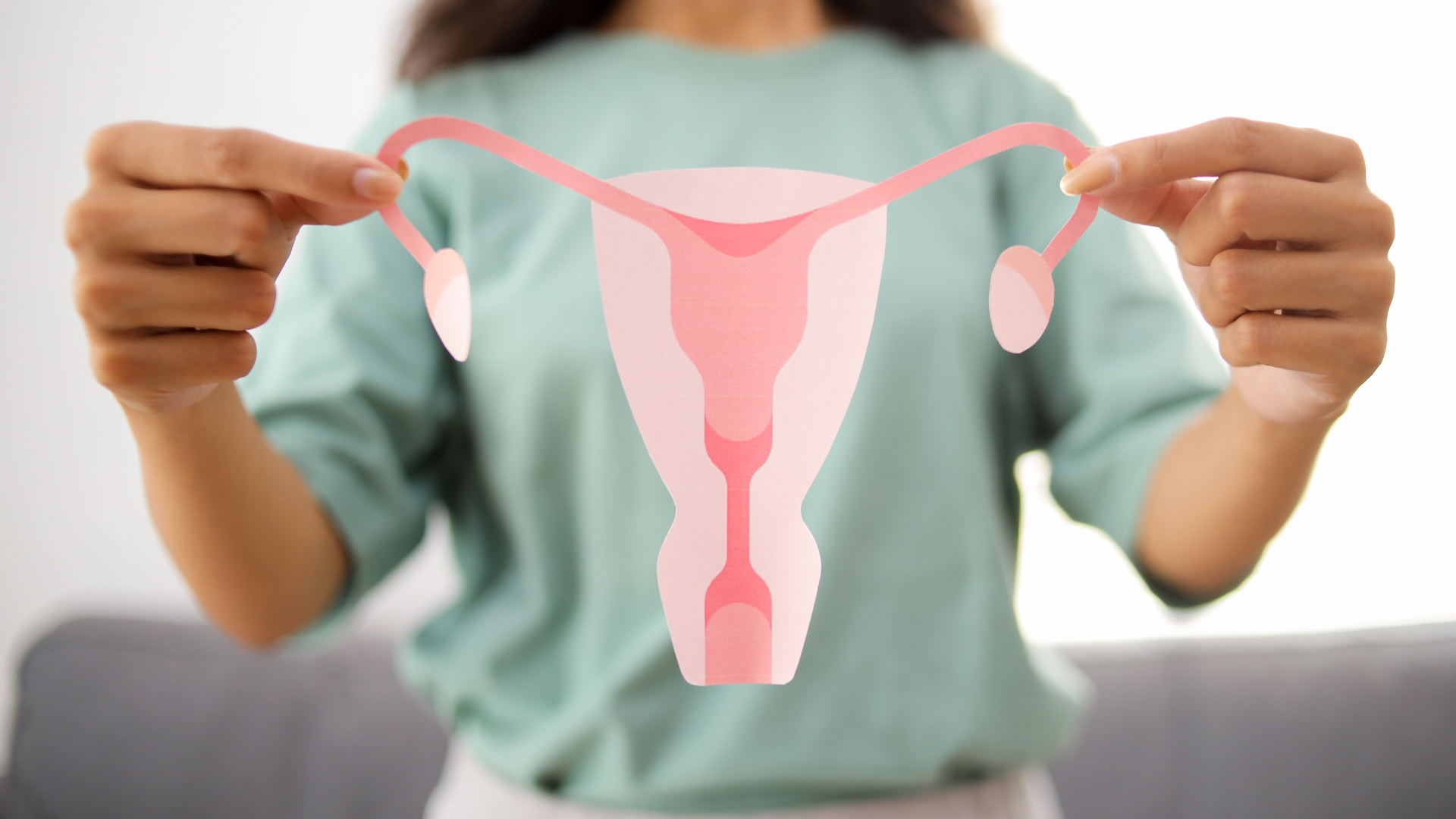
A hysterectomy is a surgical procedure that involves the removal of the uterus. It is a significant medical decision often considered due to persistent pain, heavy bleeding, or the risk of cancer. There are various surgical methods for performing a hysterectomy, with one of the most traditional being the abdominal (open) hysterectomy. In this approach, the uterus is removed through an incision made in the lower abdomen.
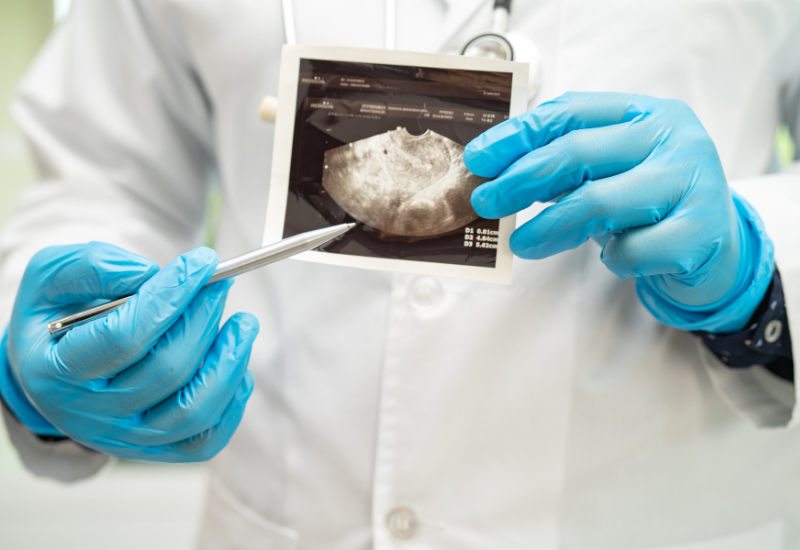
Vaginal hysterectomy is a surgical procedure that involves the complete removal of the uterus through the vagina, eliminating the need for an abdominal incision. During this procedure, incisions are made at both the upper and lower parts of the cervix, and the ligaments and blood vessels that support the uterus are carefully detached. Once the uterus is removed, the surrounding tissue is properly closed. Vaginal hysterectomy is considered a safe and effective method for uterine removal. It is often preferred for suitable patients because it avoids abdominal incisions, offers a more comfortable recovery process, and provides aesthetic benefits.

Laparoscopic hysterectomy is a surgical procedure in which the uterus is removed using a camera (laparoscope) and fine surgical instruments introduced through several small incisions made in the abdominal wall — in other words, it is a “minimally invasive” uterine removal surgery. In this method, the abdomen is not opened with a large incision; 0.5–1 cm entries are made around the umbilicus and lower abdomen, the abdominal cavity is entered with a camera, and the uterus is removed safely under a magnified image on the screen. The aim is to cause less trauma to the patient, ensure faster recovery and improve the cosmetic result.

The uterus is a vital organ at the center of women’s health where pregnancy develops. However, in some women, masses called fibroids (benign tumors arising from the uterine muscle layer) may occur within this tissue. Fibroids often cause no symptoms; however, if they lead to complaints such as heavy menstrual bleeding, anemia, abdominal pain, bloating, and fertility problems, surgical treatment may be required. At this point, open myomectomy (removal of fibroids via laparotomy) comes into play. This surgery is a safe and effective method that aims to remove only the fibroids while preserving the uterus. It is especially preferred in patients with large or numerous fibroids.

Hysterectomy is the surgical removal of a woman’s uterus. Removing the uterus may be necessary for the treatment of various health problems. It is one of the most common major surgical procedures among female reproductive organ surgeries. Often, excessive bleeding, fibroids, certain types of cancer or other uterine conditions unresponsive to treatment are indications for hysterectomy.

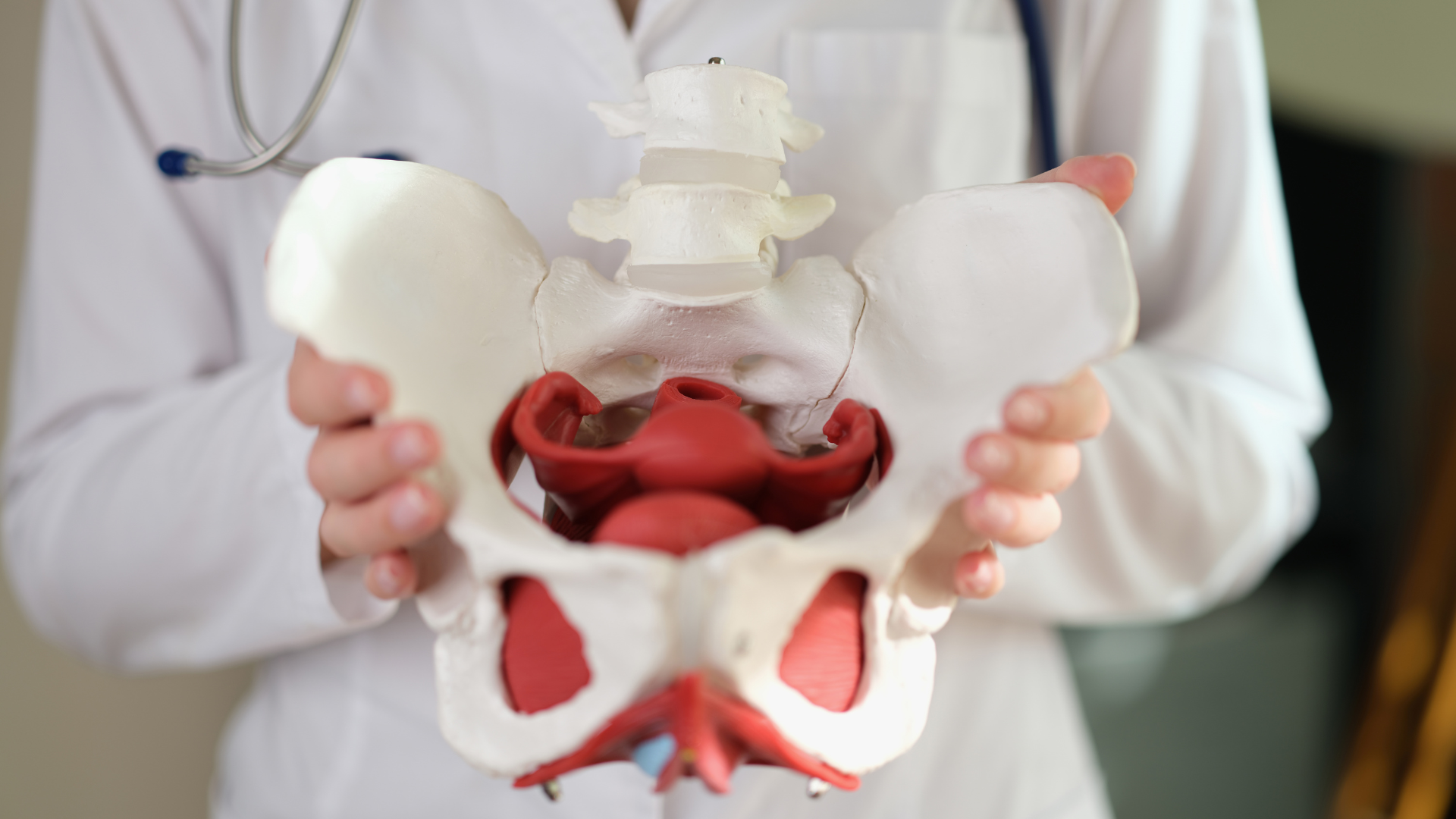
The pelvic floor is a complex network of muscles, ligaments, and fascia that support the bladder, uterus, and rectum. When this system weakens or sustains damage, not only physical symptoms emerge; confidence, social participation, sexual life, and overall well-being are also affected. Pelvic floor reconstruction surgeries aim to restore anatomy and function, providing women with lasting relief and a significant improvement in quality of life.

Share This