
Blog
Blog

Laparoscopic Hysterectomy
Laparoscopic hysterectomy is a surgical procedure in which the uterus is removed using a camera (laparoscope) and fine surgical instruments introduced through several small incisions made in the abdominal wall — in other words, it is a “minimally invasive” uterine removal surgery. In this method, the abdomen is not opened with a large incision; 0.5–1 cm entries are made around the umbilicus and lower abdomen, the abdominal cavity is entered with a camera, and the uterus is removed safely under a magnified image on the screen. The aim is to cause less trauma to the patient, ensure faster recovery and improve the cosmetic result.
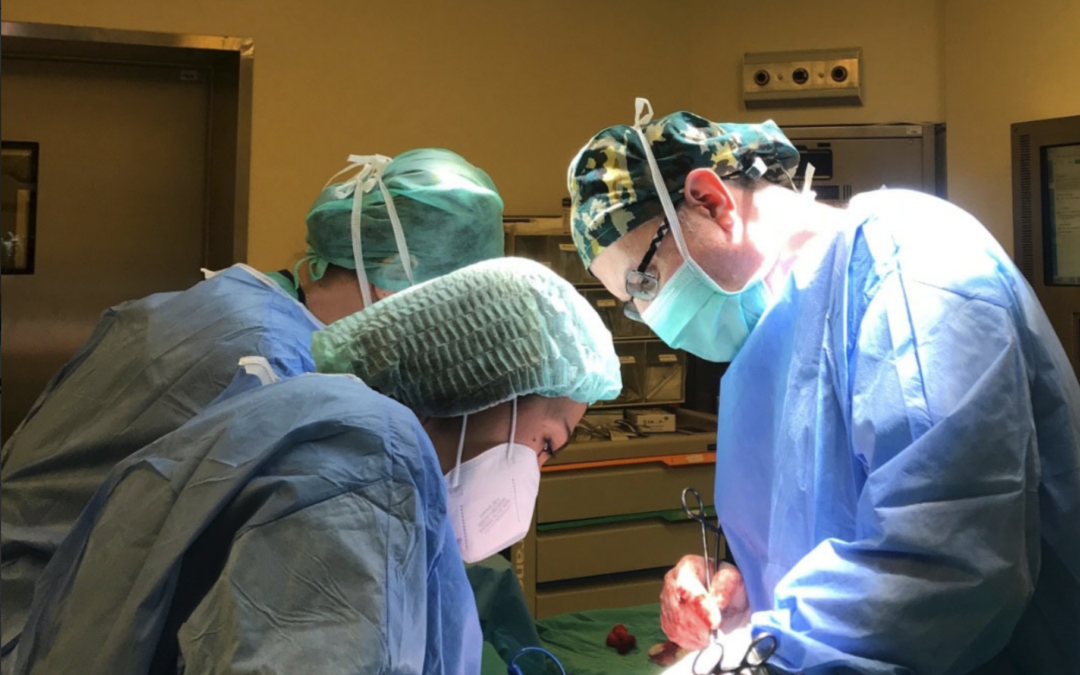
What Is Open Myomectomy? Surgical Removal of Uterine Fibroids via Open Surgery
The uterus is a vital organ at the center of women’s health where pregnancy develops. However, in some women, masses called fibroids (benign tumors arising from the uterine muscle layer) may occur within this tissue. Fibroids often cause no symptoms; however, if they lead to complaints such as heavy menstrual bleeding, anemia, abdominal pain, bloating, and fertility problems, surgical treatment may be required.
At this point, open myomectomy (removal of fibroids via laparotomy) comes into play. This surgery is a safe and effective method that aims to remove only the fibroids while preserving the uterus. It is especially preferred in patients with large or numerous fibroids.
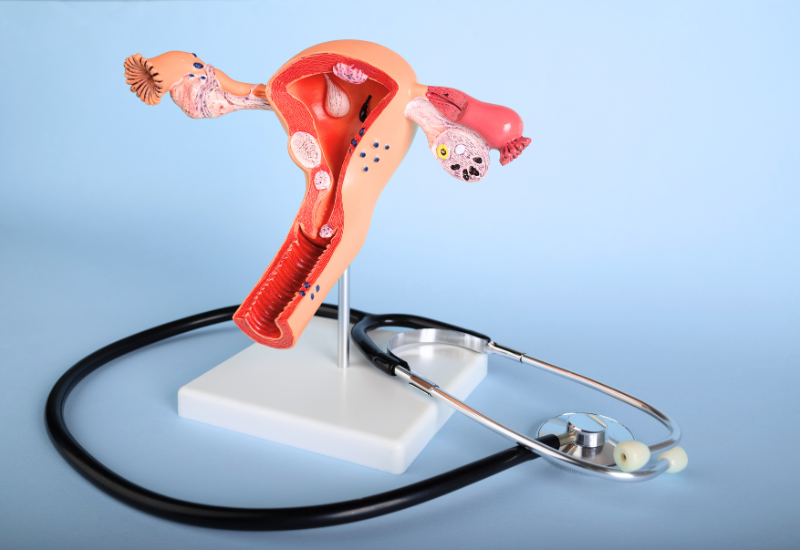
Hysteroscopic Myomectomy: Removal of Fibroids from the Uterus Using a Minimally Invasive Technique
Uterine fibroids, also known as leiomyomas, are one of the most common health conditions affecting women. These benign tumors often develop without causing noticeable symptoms; however, they can lead to a variety of issues, including menstrual irregularities and infertility.
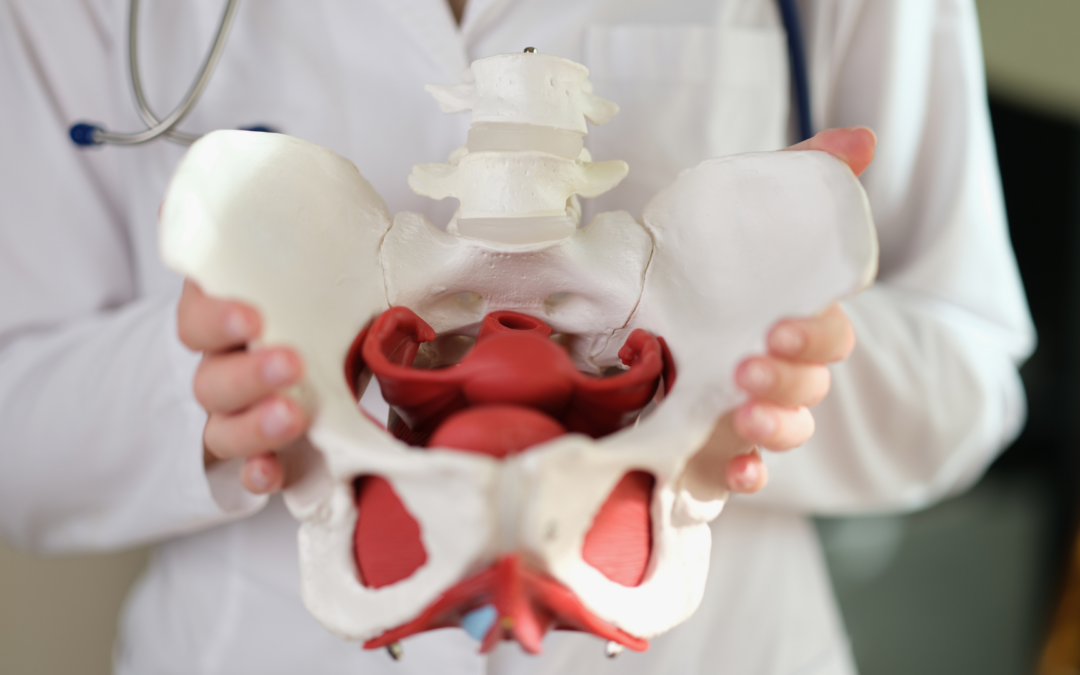
Pelvic Floor Reconstruction Surgeries: Enhancing Quality of Life in Women
he pelvic floor is a complex network of muscles, ligaments, and fascia that support the bladder, uterus, and rectum. When this system weakens or sustains damage, not only physical symptoms emerge; confidence, social participation, sexual life, and overall well-being are also affected. Pelvic floor reconstruction surgeries aim to restore anatomy and function, providing women with lasting relief and a significant improvement in quality of life.

Gynecological Examination: At What Age and How Should It Be Done?
When it comes to women’s health, regular gynecological examination is one of the most important steps that should not be neglected. However, many women do not exactly know at what age they should start, how often it should be done, or what to expect during the examination. In this guide, you will find all the details you are curious about: when to start, how it is done, which tests are requested, and what to pay attention to.
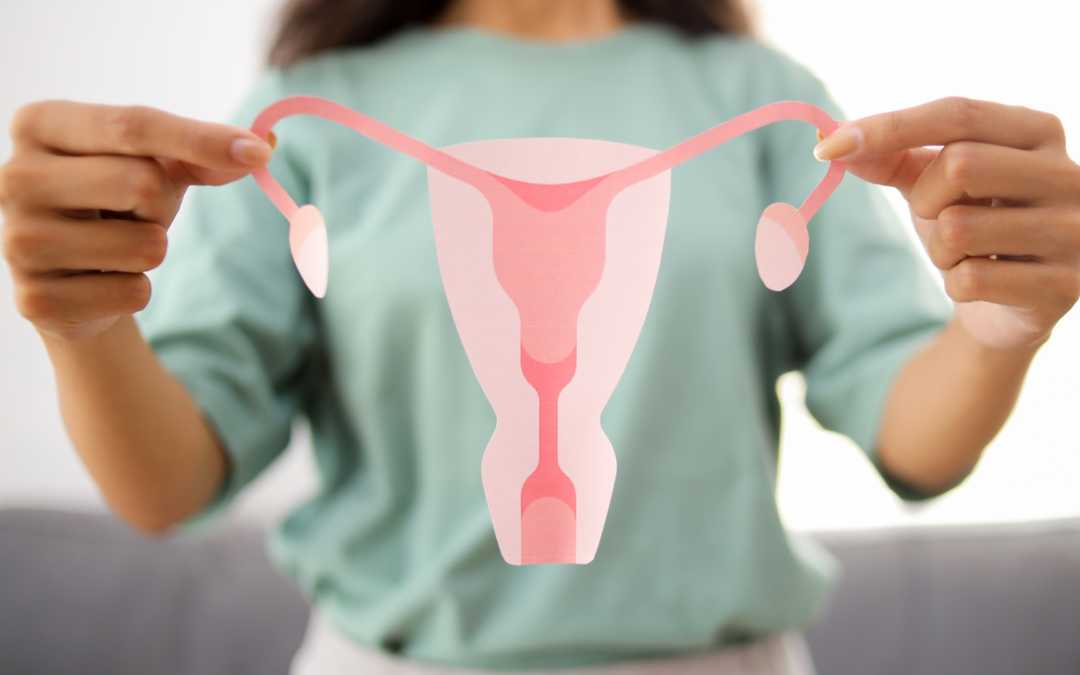
Uterus Removal (Hysterectomy) Surgery: Who Needs It and How Is It Performed?
Hysterectomy is the surgical removal of a woman’s uterus. Removing the uterus may be necessary for the treatment of various health problems. It is one of the most common major surgical procedures among female reproductive organ surgeries. Often, excessive bleeding, fibroids, certain types of cancer or other uterine conditions unresponsive to treatment are indications for hysterectomy. Hysterectomy permanently ends a woman’s fertility. Therefore, detailed information and patient consent are extremely important during the decision-making process. The most appropriate treatment plan is determined according to each woman’s age, general health, desire for children and underlying condition.

Ectopic Pregnancy: What Is It, Symptoms, and Treatment Options
Pregnancy is often a time of hope and joy. However, some pregnancies develop abnormally and can lead to serious health complications. Ectopic pregnancy occurs when a fertilized egg implants outside the uterus. If not diagnosed early, it may threaten reproductive health and lead to potentially life-threatening internal bleeding.
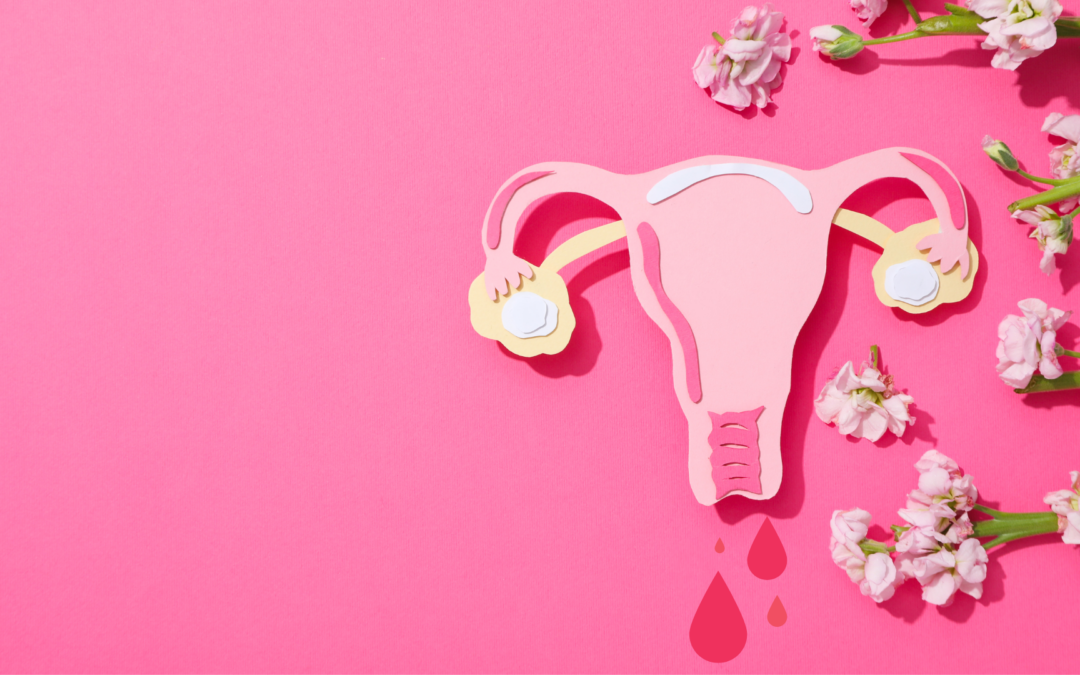
Beyond the Normal Cycle: Recognizing and Treating Abnormal Uterine Bleeding
Abnormal uterine bleeding, one of the most common issues affecting women’s health, can negatively impact not only physical well-being but also psychological and social life. Dr. Şadıman Kıykaç Altınbaş, an obstetrician and gynecologist, emphasizes the importance of a conscious and informed approach to this condition. There can be many underlying causes of abnormal bleeding—some as simple as hormonal imbalances, while others may indicate more serious conditions.

Hormone Tests during Menopause
Menopause is a natural process when women’s reproductive age ends. During this period, important hormonal changes occur in the body and various hormone tests are performed to understand these changes. As a gynecologist, I will discuss the hormone tests required during menopause in detail in this article.

