Ectopic Pregnancy: What Is It, Symptoms, and Treatment Options
Pregnancy is often a time of hope and joy. However, some pregnancies develop abnormally and can lead to serious health complications. Ectopic pregnancy occurs when a fertilized egg implants outside the uterus. If not diagnosed early, it may threaten reproductive health and lead to potentially life-threatening internal bleeding.
What Is an Ectopic Pregnancy?
In a normal pregnancy, a fertilized egg travels through the fallopian tubes and implants in the uterine cavity to continue its development. In ectopic pregnancy, this process is disrupted, and the egg implants outside the uterus. The most common implantation site is the fallopian tube, which is why it is often referred to as a “tubal pregnancy.”
Possible implantation sites in ectopic pregnancy are:
- 90%: Fallopian tubes (tubal pregnancy)
- 3-4%: Abdominal cavity
- 1-2%: Ovaries
- 1%: Cervix (cervical pregnancy)
These areas are not suitable for fetal development. As the embryo grows, it may rupture surrounding tissues, causing internal bleeding and serious health problems.
What Causes Ectopic Pregnancy?
Ectopic pregnancy may sometimes occur without a clear reason. However, several risk factors increase the likelihood:
- Previous ectopic pregnancy
- Infections in the tubes (Pelvic Inflammatory Disease – PID)
- Endometriosis
- Previous surgery on the fallopian tubes
- IVF (in vitro fertilization)
- Sexually transmitted infections (e.g., chlamydia)
- Intrauterine device (IUD) use
- Smoking
- Pregnancy over age 35
- Congenital abnormalities of the fallopian tubes
- History of infertility
Despite these, ectopic pregnancy can also occur in women with no known risk factors.
What Are the Symptoms of Ectopic Pregnancy?
Symptoms typically appear between the 5th and 14th weeks of pregnancy, though sometimes they may emerge earlier or remain unnoticed.
Common symptoms include:
- Missed period
- Vaginal spotting or bleeding
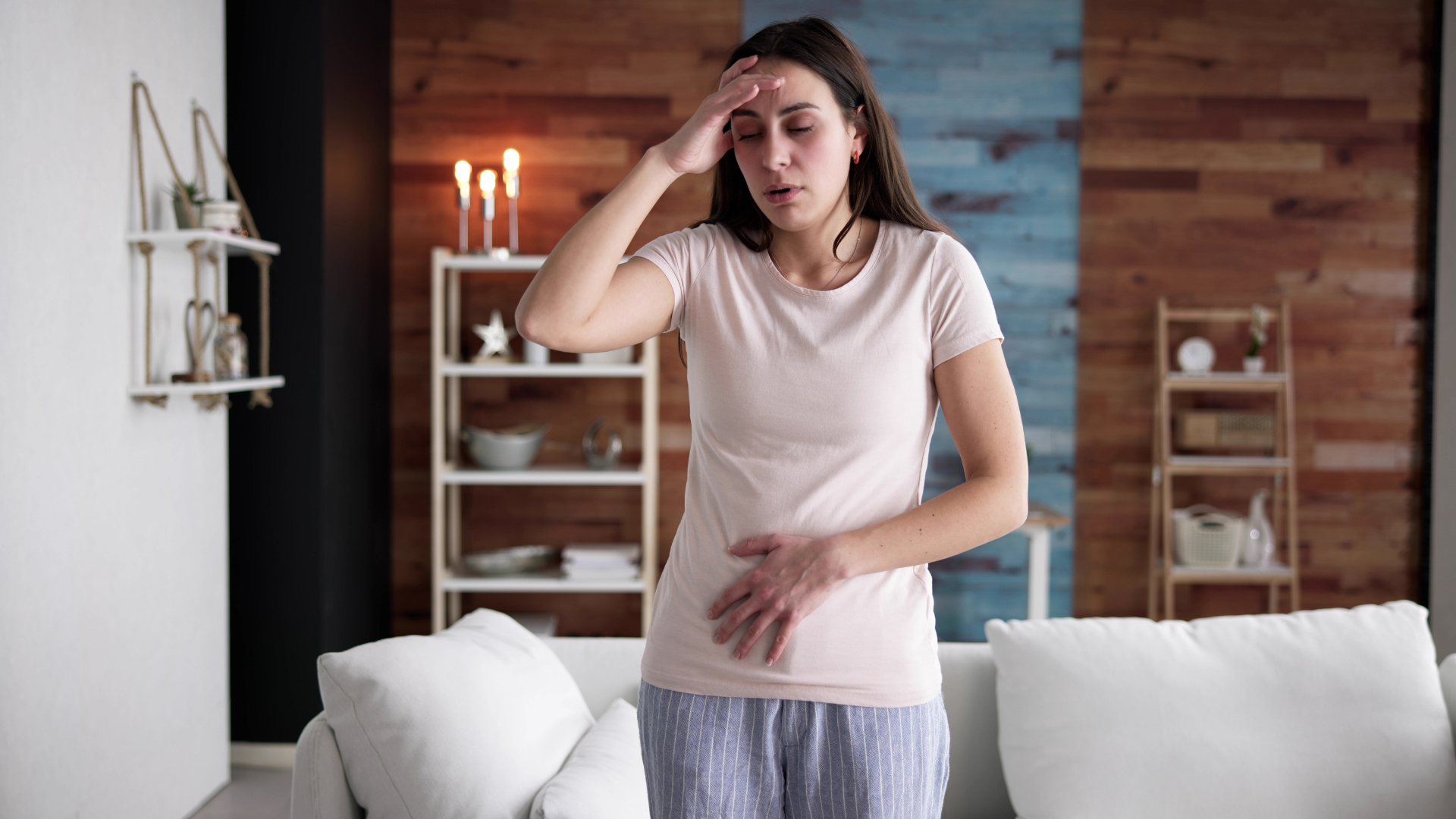
- One-sided pelvic or lower abdominal pain
- Shoulder pain (if internal bleeding occurs)
- Severe dizziness or fainting
- Rectal pressure
- Nausea and fatigue
Pain is usually localized to one side and may feel like cramps. If the fallopian tube ruptures, shoulder pain and fainting due to internal bleeding may occur, requiring emergency medical attention.
How Is Ectopic Pregnancy Diagnosed?
Diagnosis is made by evaluating multiple factors:
- Beta-hCG Blood Test The level of beta-hCG (pregnancy hormone) in the blood is measured. In a normal pregnancy, this value doubles approximately every 48 hours. In ectopic pregnancy, this increase is slower or stagnant.
- Transvaginal Ultrasound If the beta-hCG level exceeds a certain threshold (usually 1500 mIU/mL) but no gestational sac is visible in the uterus with ultrasound, ectopic pregnancy is suspected.
- Gynecological Examination Tenderness, masses, or pain around the uterus may be detected through a physical examination.
- Diagnostic Laparoscopy In some cases, direct visual assessment of the abdominal cavity is needed for definitive diagnosis and possible surgical intervention.
Treatment Options for Ectopic Pregnancy Treatment depends on the patient’s clinical condition, gestational age, beta-hCG levels, and the site of the ectopic pregnancy.
- Medical Treatment (Methotrexate) In early, non-life-threatening cases, methotrexate is used to stop the growth of the pregnancy tissue. This drug inhibits cell division and leads to the resolution of the ectopic pregnancy.
Eligibility criteria for medical treatment:
- Gestational sac size ≤3.5 cm
- No fetal cardiac activity
- Low beta-hCG levels
- No tube rupture
- No signs of internal bleeding
- Surgical Intervention Emergency surgery is necessary if the fallopian tube ruptures or internal bleeding occurs. Ectopic tissue is removed via laparoscopy (minimally invasive) or laparotomy (open surgery).
- Salpingostomy: The tube is opened, and the ectopic tissue is removed while preserving the tube.
- Salpingectomy: The affected tube is completely removed.
- Follow-Up and Monitoring After treatment, beta-hCG levels must be regularly monitored until they return to zero. Some patients may require more than one dose of methotrexate.
Does Ectopic Pregnancy Affect Fertility?
Fertility after ectopic pregnancy depends on the condition of the remaining tubes and the treatment type. If the tube is preserved, natural conception is still possible. If one tube is removed, the other tube’s functionality becomes critical.
Assisted reproductive techniques (like IVF) can also offer a chance for healthy pregnancy.
Why Is Early Diagnosis of Ectopic Pregnancy Important?
Early diagnosis is vital for maternal health. Advanced ectopic pregnancy can result in life-threatening complications like internal bleeding and surgical emergencies. Medical attention should be sought immediately in the following cases:
- Missed period with pain and bleeding
- One-sided pelvic pain
- Fainting, dizziness
- Shoulder pain and rectal pressure
Frequently Asked Questions (FAQs)
Can a woman get pregnant again after an ectopic pregnancy?
Yes, fertility can be preserved. However, the risk of recurrence is approximately 10-15%.
How long should one wait before getting pregnant after an ectopic pregnancy?
A minimum of 3 months is recommended after methotrexate treatment. If surgery was performed, follow your doctor’s advice.
Will a pregnancy test be positive in an ectopic pregnancy?
Yes. Since the pregnancy hormone is produced, urine tests are typically positive.
Can an ectopic pregnancy be treated with curettage?
No. Curettage is used to terminate intrauterine pregnancies. It is ineffective in ectopic pregnancy.
Can ectopic pregnancy occur while using an IUD?
Yes. While IUDs prevent pregnancy, if conception occurs, the risk of ectopic pregnancy increases.
When do ectopic pregnancy symptoms start?
Usually between the 5th and 8th weeks of pregnancy.
Can an ectopic pregnancy resolve on its own?
Rarely. The body may absorb the tissue, but this is risky. Medical supervision is necessary.
Is ectopic pregnancy likely to recur?
Yes, recurrence risk is 10-15%.
Can ectopic pregnancy be prevented?
Complete prevention is not possible, but quitting smoking and avoiding infections can reduce risk.
Conclusion
Ectopic pregnancy is a serious complication that can threaten maternal health. If not diagnosed early, it may result in internal bleeding, tubal rupture, and even life-threatening consequences. Symptoms like missed periods, pelvic pain, and spotting should not be ignored, especially when they occur together.
Diagnosis is established through beta-hCG testing, transvaginal ultrasound, and physical examination. Treatment plans are tailored based on gestational age, hormone levels, and overall health. Some cases respond well to medication, while others may require surgery.
If you experience symptoms such as pain, bleeding, or dizziness following a missed period, seek medical evaluation without delay. Early diagnosis and appropriate treatment can protect your health and preserve future fertility.
Prof. Dr. Şadıman Kıykaç Altınbaş follows ethical and evidence-based practices in providing personalized care. For consultations or further information, feel free to contact our clinic and take the first step toward safeguarding your reproductive health.