
Blog
Blog
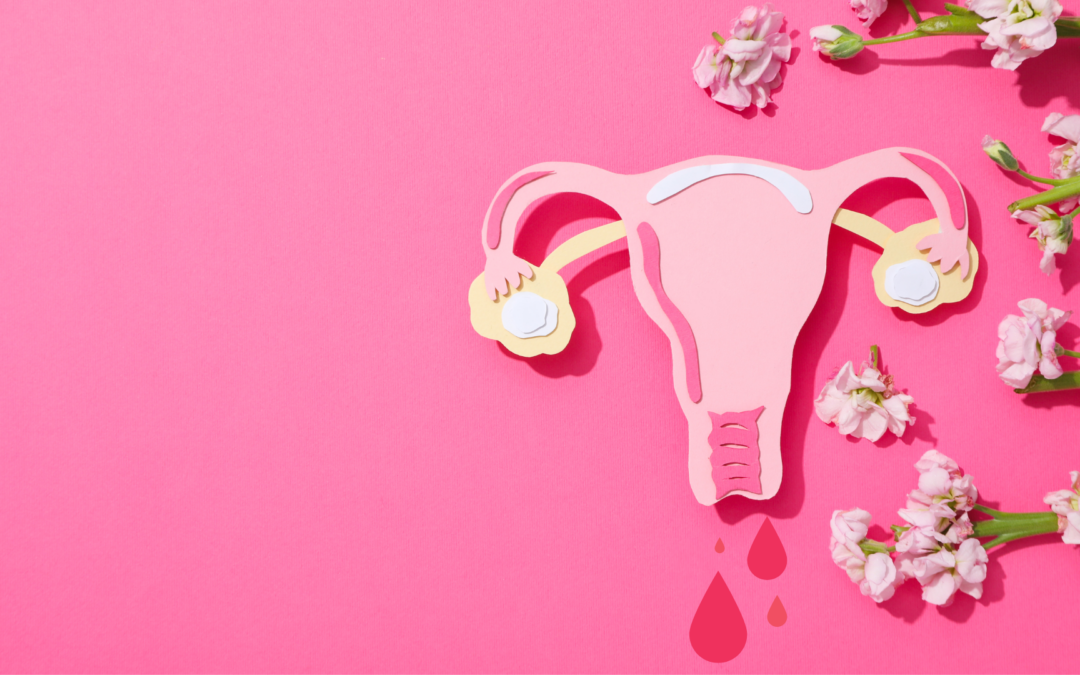
Beyond the Normal Cycle: Recognizing and Treating Abnormal Uterine Bleeding
Abnormal uterine bleeding, one of the most common issues affecting women’s health, can negatively impact not only physical well-being but also psychological and social life. Dr. Şadıman Kıykaç Altınbaş, an obstetrician and gynecologist, emphasizes the importance of a conscious and informed approach to this condition. There can be many underlying causes of abnormal bleeding—some as simple as hormonal imbalances, while others may indicate more serious conditions.

Hormone Tests during Menopause
Menopause is a natural process when women’s reproductive age ends. During this period, important hormonal changes occur in the body and various hormone tests are performed to understand these changes. As a gynecologist, I will discuss the hormone tests required during menopause in detail in this article.

Asherman Syndrome: Symptoms, Diagnosis and Treatment Methods
Asherman’s syndrome is a condition characterized by the formation of adhesions (scar tissue) in the uterus. These adhesions cause the walls of the uterus to stick together and narrow the uterine cavity. As a result, menstrual irregularities, infertility and pregnancy complications can occur.
Laparoscopic Ovarian Cyst Surgery
Ovarian cysts are fluid-filled sacs, usually benign, that many women encounter at some point in their lives. Most of the time, these cysts do not cause any symptoms and disappear on their own. However, in some cases the cysts may enlarge, burst or cause other complications. In such cases, surgical intervention may be required.
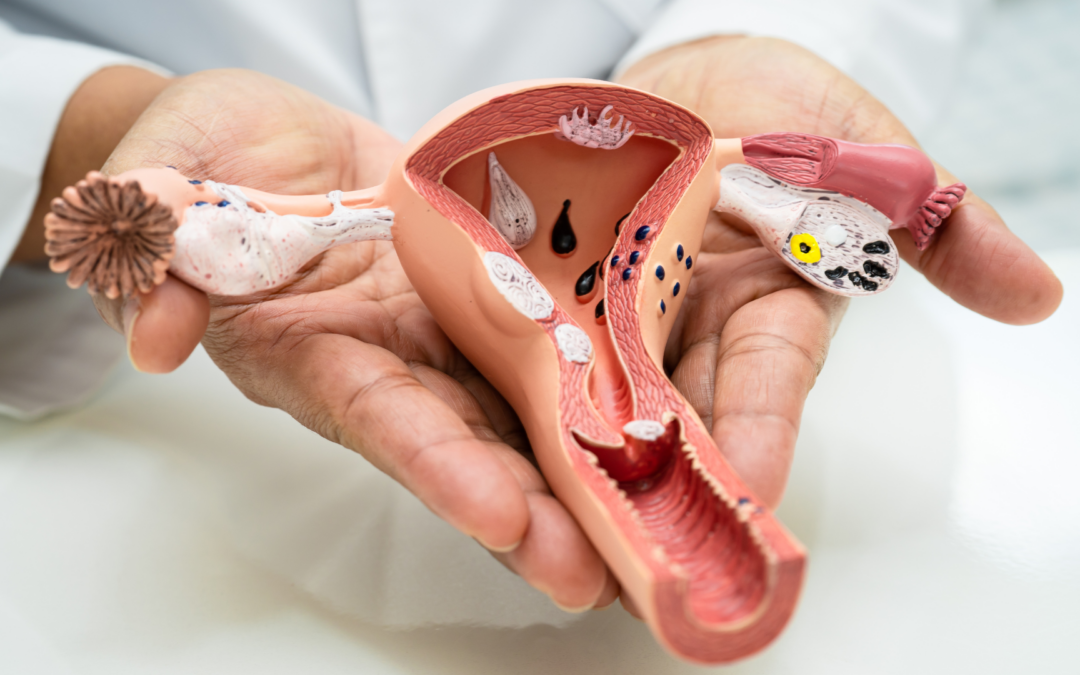
Endometrial Polyps: Causes, Symptoms and Treatment
Endometrial polyps are tissue growths, usually benign, that arise from the endometrium lining in the uterine cavity. They can occur in a wide age range, from women of reproductive age to postmenopausal women. Most of the time they are asymptomatic, but in some cases they can cause problems such as abnormal uterine bleeding and infertility.
What is Intrauterine Insemination (IUI) Treatment and How Is It Performed?
“Intrauterine insemination” (IUI) is one of the assisted reproductive techniques used in the treatment of infertility. This method is carried out by directly injecting spermatozoa, which have undergone special processes in the laboratory, into woman’s uterine cavity. In this way, the chance of sperm reaching the egg and fertilisation is increased.
What Is In Vitro Fertilisation (IVF)? How Is IVF Treatment Performed?
In vitro fertilisation is one of the assisted reproductive techniques used for couples who are unable to conceive naturally. In this method, the woman’s eggs and the man’s sperm are fertilised in a laboratory to create embryos, which are then transferred into the uterus.
What Is the Endometrium? What Causes Thickening of the Uterine Lining?
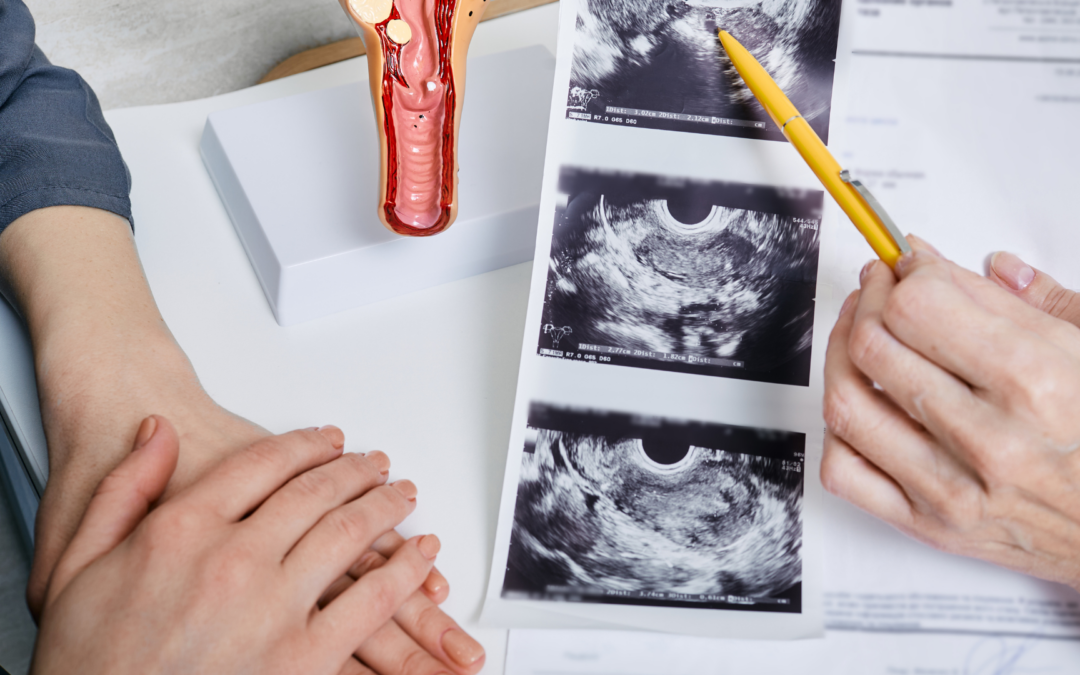
The endometrium and thickening of the uterine lining are among the subjects most frequently questioned in relation to women’s reproductive health and may sometimes indicate serious health problems. It is highly important for women to obtain accurate information about this subject so that they can better understand their bodies and become aware of potential risks. In this article, you can find detailed information about what the endometrium is, the causes and symptoms of thickening of the uterine lining, and ways to prevent it.
Uterus-Preserving Fibroid Surgery
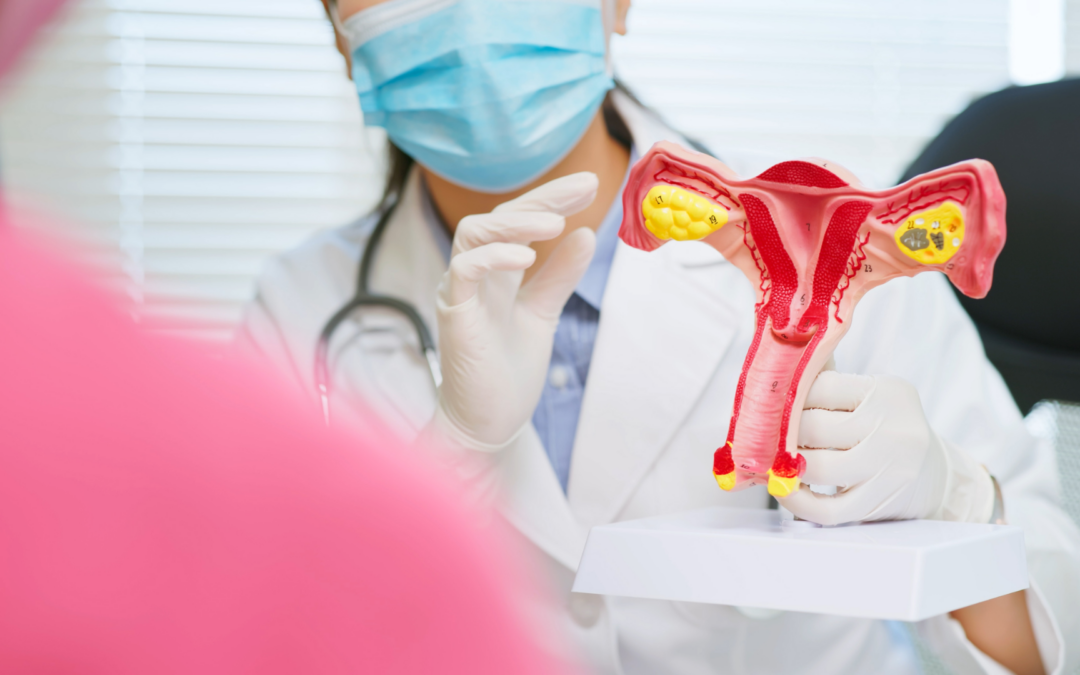
Uterus-preserving fibroid surgery is a surgical method aimed at treating fibroids, which are benign tumours within the uterus, without damaging the uterus and while preserving reproductive capacity. Fibroids are tumours that develop in the uterine wall, are generally benign and may vary in size. These tumours may affect a woman’s quality of life and lead to heavy bleeding, pain and other health problems. Fibroids are generally seen during the reproductive years and may have adverse effects on fertility.

