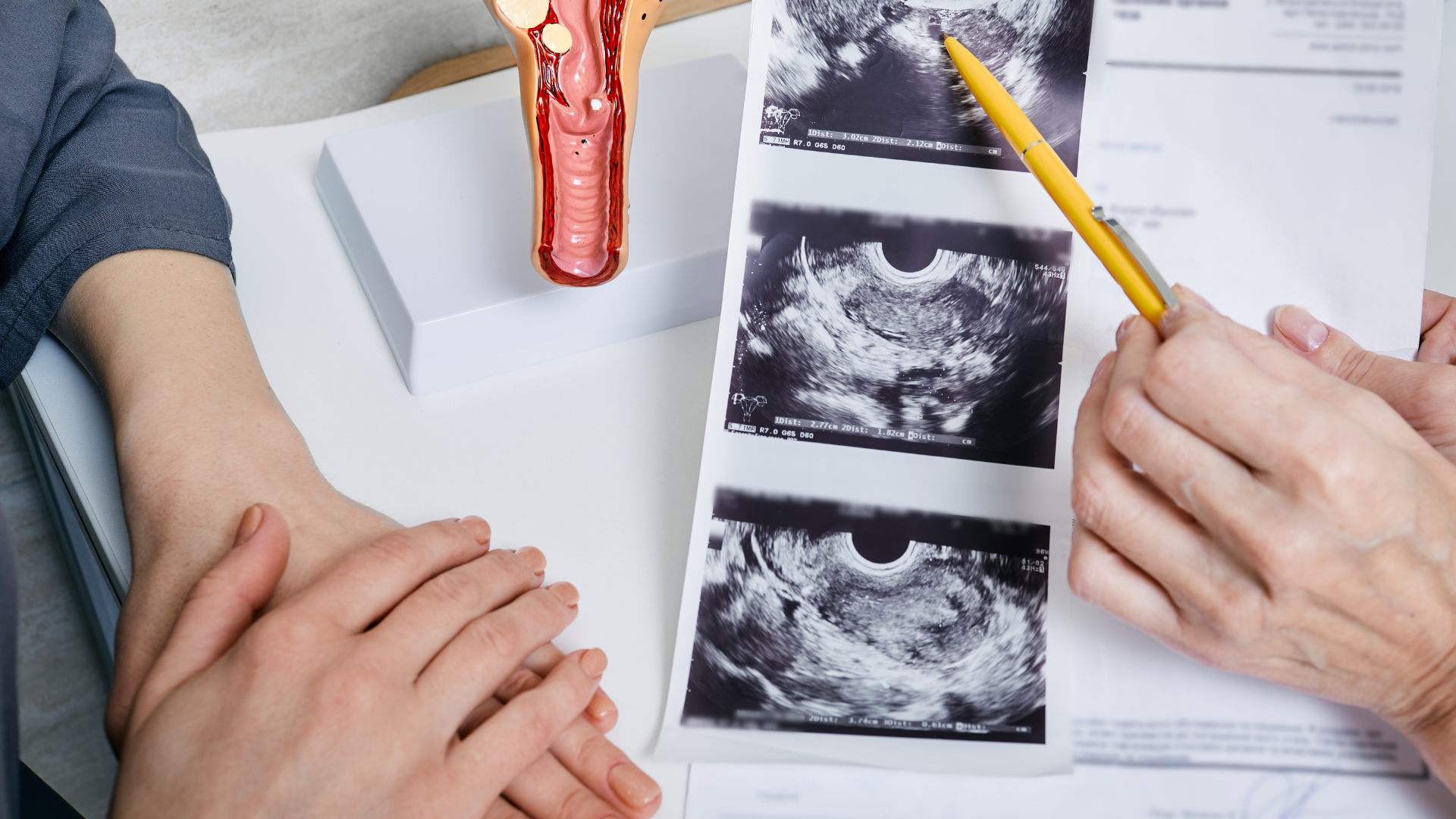
What Is the Endometrium? What Causes Thickening of the Uterine Lining?
The endometrium and thickening of the uterine lining are among the subjects most frequently questioned in relation to women’s reproductive health and may sometimes indicate serious health problems. It is highly important for women to obtain accurate information about this subject so that they can better understand their bodies and become aware of potential risks. In this article, you can find detailed information about what the endometrium is, the causes and symptoms of thickening of the uterine lining, and ways to prevent it.
What Is the Endometrium?
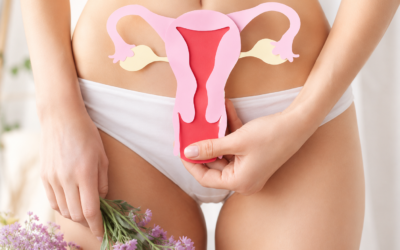
The endometrium is a hormone-sensitive tissue rich in blood vessels that lines the inner surface of the uterus. This tissue, which plays a vital role in the female reproductive system, renews itself during every menstrual cycle.
During the first half of the menstrual cycle, it begins to thicken under the influence of the hormone oestrogen. This process prepares the uterus for the implantation of a fertilised egg. If fertilisation does not occur, the thickened endometrial tissue is shed from the body through menstrual bleeding.
The endometrium is important not only for reproductive health but also for women’s overall health. As it is highly sensitive to hormonal changes, it may undergo significant changes during conditions and stages such as menstrual irregularities, infertility and menopause.
What Causes Thickening of the Uterine Lining?
Thickening of the uterine lining, medically known as endometrial hyperplasia, is generally caused by hormonal imbalances. The main causes of this condition, which may occur during different stages of a woman’s life, include:
- Hormonal Imbalances
The balance between the hormones oestrogen and progesterone is critically important for the healthy thickening and thinning of the endometrium. However, elevated oestrogen levels or insufficient progesterone may lead to abnormal thickening of the uterine lining.
This condition is particularly common among women approaching menopause.
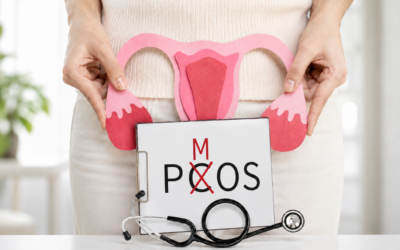
- Polycystic Ovary Syndrome
Ovulation disorders in women with polycystic ovary syndrome cause hormonal imbalances. This may prevent the endometrium from being shed properly and lead to thickening.
- Menopause and the Postmenopausal Period
Hormonal changes become more pronounced during menopause. Reduced progesterone production increases the risk of thickening of the uterine lining in postmenopausal women.
In addition, bleeding after menopause may indicate a possible condition affecting the inner lining of the uterus.
- Obesity
Excess adipose tissue may increase oestrogen production and lead to thickening of the uterine lining. Overweight women are therefore at higher risk of developing this condition.
- Medication Use
Medications such as tamoxifen, which is used in the treatment of breast cancer, may cause abnormal thickening of uterine tissue. Women who use such medications are therefore advised to undergo regular gynaecological examinations.
- Diabetes and Hypertension
Metabolic diseases may make it more difficult for the cells of the uterine lining to renew themselves in a healthy manner, which may result in thickening.
What Are the Symptoms of Thickening of the Uterine Lining?
Thickening of the uterine lining may sometimes progress without symptoms. However, in most cases, it presents with certain symptoms, including:
- Irregular menstrual bleeding: Menstrual cycles that are shorter or longer than expected
- Heavy menstrual bleeding: Menstrual bleeding that lasts longer and is heavier than normal
- Bleeding between periods: Spotting or bleeding occurring between two menstrual periods
- Postmenopausal bleeding: A physician should always be consulted if any bleeding occurs after menopause.
These symptoms should not be ignored, and a specialist should be consulted. Treatment is more effective when thickening of the uterine lining is diagnosed at an early stage.
Diagnosis and Treatment Process
Diagnostic Methods
Ultrasonography is generally used to diagnose thickening of the uterine lining. The thickness of the endometrium is measured using ultrasonography to determine whether an abnormal condition is present.
An endometrial biopsy may also be performed to allow the tissue to be examined under a microscope.
Treatment Options
Treatment for thickening of the uterine lining depends on the underlying cause. Common treatment methods include:
- Hormonal treatment: Progesterone-containing medications help restore hormonal balance and allow the endometrium to become appropriately thinner.
- Surgical intervention: In more serious cases, hysteroscopy or dilatation and curettage may be used.
- Lifestyle changes: A healthy diet, regular exercise and weight management are factors that support treatment.
How Can Thickening of the Uterine Lining Be Prevented?
Regular medical examinations and a healthy lifestyle are highly important in preventing thickening of the uterine lining. Some simple measures that may help prevent this condition include:
- Regular Gynaecological Examinations
Attending a medical check-up at least once a year is the most effective way of detecting problems at an early stage.
- Maintaining Hormonal Balance
It is important to receive hormone treatment under medical supervision, particularly during the periods before and after menopause.
- Healthy Nutrition
Avoiding foods that are high in sugar and fat may help control oestrogen production.
- Regular Exercise
Physical activity regulates the metabolism and supports balanced hormone secretion.
- Reducing Smoking and Alcohol Consumption
These habits may lead to hormonal imbalances and conditions that affect uterine health.
Women’s health can be protected through regular follow-up and appropriate lifestyle habits. These recommendations should be considered to help prevent conditions such as thickening of the uterine lining.
Frequently Asked Questions
What Does Endometrium Mean?
The endometrium is a specialised tissue that lines the inner surface of the uterus and renews itself during every menstrual cycle.
What Is Proliferative Endometrium?
Proliferative endometrium refers to the thickening of the uterine lining under the influence of oestrogen during the first half of the menstrual cycle. This is a natural part of a healthy menstrual cycle.
What Is Endometrial Hyperplasia?
Endometrial hyperplasia is the abnormal thickening of the tissue lining the inner surface of the uterus. If left untreated, it may carry a risk of developing into cancer.
How Common Is Thickening of the Uterine Lining?
Although this condition is more commonly seen in postmenopausal women, it may occur in any age group.
How Can Thickening of the Uterine Lining Be Prevented?
Maintaining hormonal balance, following a healthy lifestyle and attending regular medical examinations are effective in preventing this condition.
When Should a Physician Be Consulted?
A physician should be consulted without delay if symptoms such as irregular menstrual periods, postmenopausal bleeding or persistent pelvic pain occur.
What Problems Can Thickening of the Uterine Lining Cause?
If left untreated, it may increase the risk of infertility, anaemia and uterine cancer.
Is Thickening of the Uterine Lining Cancer?
Thickening of the uterine lining is not cancer in itself. However, in some cases, it may carry a risk of progressing to cancer.
Can Thickening of the Uterine Lining Resolve Spontaneously?
Some mild cases may resolve spontaneously, but treatment is generally required.
How Many Millimetres Should a Healthy Uterine Lining Measure?
Although it varies according to the menstrual cycle, a thickness of 8–12 mm is generally considered normal. During menopause, it is expected to measure less than 5 mm.
Is Thickening of the Uterine Lining a Sign of Pregnancy?
No, it is not a sign of pregnancy. However, it is normal for the uterine lining to thicken naturally during pregnancy.
When Does Thickening of the Uterine Lining Occur?
It may occur in conditions such as hormonal imbalances, menopause and polycystic ovary syndrome.
In conclusion, the endometrium and thickening of the uterine lining are important subjects in relation to women’s health and should not be neglected. This condition, which is caused by hormonal changes, can be successfully managed through early diagnosis and appropriate treatment.
Regular gynaecological examinations, a balanced lifestyle and specialist support when necessary play a critical role in the prevention and treatment of such conditions.
If you are experiencing symptoms associated with thickening of the uterine lining or would like to obtain detailed information about women’s health, Prof. Dr Şadıman Kıykaç Altınbaş, a Specialist in Obstetrics and Gynaecology practising in Ankara, may assist you by providing a comprehensive approach.
Receiving support from a physician experienced in women’s health is an important step towards protecting your health. You may contact us for further information or to schedule an appointment.