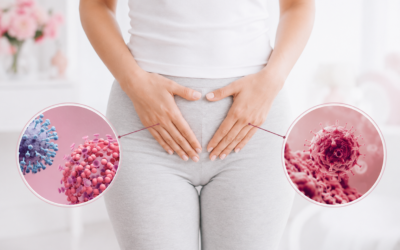

What Is Vaginal Yeast Infection (Vulvovaginal Candidiasis)?
Vaginal itching, burning, white discharge, tenderness during intercourse… Many women encounter these complaints at least once in their lives. One of the most common causes of these symptoms is a vaginal yeast infection—medically termed vulvovaginal candidiasis.
Although it is very common in daily clinical practice, vaginal yeast infection remains one of the most misunderstood gynecologic topics.
The biggest misconception is this: Not every itch is yeast, and not every discharge means the same infection.
Similar symptoms can also occur with bacterial vaginosis, trichomonas, irritant dermatitis, allergic reactions, hormonal changes, or other gynecologic conditions. For this reason, “random” medication use without an accurate diagnosis often provides temporary relief, but does not permanently resolve the problem.
In this comprehensive guide, we will address vaginal yeast infection from all aspects:
• What exactly is a vaginal yeast infection?
• Why does it occur, and who is more likely to experience it?
• Which symptoms are typical, and which findings are warning signs?
• How is the diagnosis made?
• What are the treatment options?
• What should be done in recurrent yeast infections?
• What reduces risk in daily life?
What Is a Vaginal Yeast Infection?
A vaginal yeast infection develops when Candida species—yeasts that can normally be present in the vagina at low levels—overgrow in a way that disrupts the balance. The most common causative agent is Candida albicans, although other Candida species can also cause infection.
The vaginal environment is normally a delicate ecosystem. When this balance—dominated by lactobacilli—is disrupted, pH, local immunity, and microbial equilibrium are affected; Candida can proliferate more easily. As a result, symptoms such as itching, burning, irritation, and discharge occur.
What Causes a Vaginal Yeast Infection?
A vaginal yeast infection is not a disease caused by “insufficient cleanliness.” Most often, the underlying reason is disruption of vaginal balance. In some women, no clear trigger can be identified; this is also a common situation in clinical practice.
Common risk factors
1) Antibiotic use
Broad-spectrum antibiotics can facilitate yeast overgrowth by reducing the protective vaginal flora.
2) Hormonal changes
Pregnancy, hormonal fluctuations in the menstrual cycle, certain hormonal treatments, or periods in which estrogen effect increases may raise the risk.
3) Uncontrolled diabetes
High blood sugar can create a more favorable environment for Candida proliferation.
4) Conditions in which the immune system is suppressed
Long-term corticosteroid use, immune-affecting diseases, or treatments may increase susceptibility to vaginal yeast infections.
5) Moist and poorly ventilated environment
Staying in a wet swimsuit for a long time, changing sweaty clothes late, and using very tight, synthetic underwear can trigger symptoms.
6) Irritant products
Perfumed genital products, vaginal douching, and heavily chemical soaps and sprays can disrupt the vaginal barrier.
What Are the Symptoms of a Vaginal Yeast Infection?
Symptoms may vary from person to person. In some patients, discharge is not prominent, while itching and burning are the main complaints.
Most common symptoms
• Intense itching around the vulva and vagina
• Burning, stinging, sensation of irritation
• White, thick, usually odorless discharge
• Redness and tenderness in the external genital area
• Stinging/burning on the outside during urination
• Pain or discomfort during sexual intercourse
Symptoms that require attention
If any of the following apply, a “let’s wait, it will pass” approach should be avoided, and a clinician’s examination is important:
• If you are experiencing similar complaints for the first time
• If complaints recur frequently
• If foul odor, fever, groin pain, or marked tenderness accompany the symptoms
• If there is pregnancy
• If diabetes or an immune-related condition is present
Is Every Vaginal Discharge Yeast?
No. This is one of the most common mistakes.
Vaginal discharge can also be seen for physiological (normal) reasons. In addition, the patterns of infection-related discharges differ from each other. For example:
• Yeast: more often itching + white thick discharge
• Bacterial vaginosis: different discharge patterns and often odor
• Trichomonas: different infection findings and specific treatment requirements
Therefore, for accurate differential diagnosis, examination and, when necessary, testing are required.
How Is Vaginal Yeast Infection Diagnosed?
Although prescribing treatment based only on symptoms may appear sufficient in some cases, a detailed evaluation is necessary especially in recurrent or treatment-resistant cases.
Diagnostic steps
1) Detailed history
• Time of symptom onset
• Frequency of recurrence
• Relationship with the menstrual cycle
• Medications used (especially antibiotics)
• Diabetes, pregnancy, immune status
• Previous treatments and response
2) Gynecologic examination
The vulva, vagina, and cervix are evaluated; irritation, redness, fissures, and the nature of discharge are observed.
3) Necessary tests
• Vaginal sampling
• Microscopic evaluation
• pH measurement
• If needed, culture / species identification (especially in recurrent cases)
Accurate diagnosis directly affects the duration of treatment and the choice of medication.
Treatment of Vaginal Yeast Infection
The treatment approach is individualized according to the severity of the infection, whether it is a first episode or a recurrent infection, the possible causative species, and the patient’s general condition.
1) Uncomplicated cases
• Appropriate topical antifungal therapies
• Oral treatment alternatives in selected patients
2) Severe cases
• Longer-duration regimens
• Close follow-up
• If necessary, follow-up examination
3) Recurrent vaginal yeast infection (RVVC)
In patients who have more than one episode per year, a special approach is required:
• Confirmation of the diagnosis
• Additional tests for species differentiation
• Induction + maintenance treatment plans
• Management of underlying triggers (diabetes, medications, irritant exposure, etc.)
Self-initiating medication repeatedly and without a clinician’s recommendation may mask symptoms and delay diagnosis. Especially in frequent recurrences, a systematic follow-up plan is essential.
Management of Vaginal Yeast Infection in Pregnancy
During pregnancy, vaginal yeast infections may be more frequent due to hormonal changes. However, medication choice in this period is not the same as the standard approach. Treatment must be planned by taking into account gestational week, maternal–fetal safety, and the clinical picture.
In pregnancy:
• Do not start medication on your own
• If symptoms persist, do not postpone examination
• Complete the treatment duration deemed appropriate
Why Does Recurrent Vaginal Yeast Infection Occur?
In some patients, recurrence of symptoms at short intervals can be quite distressing. Possible reasons for recurrence include:
• Incomplete/inappropriate treatment
• Sequential medication use without an accurate diagnosis
• Non-albicans Candida species
• Poor control of diabetes
• Continued irritant habits that disrupt the vaginal barrier
• Additional clinical conditions related to immunity
In this context, the goal is not only to treat the episode but also to establish a long-term plan to reduce recurrence.
What Can Be Done in Daily Life to Prevent Vaginal Yeast Infection?
Although a completely zero-risk state is not possible, certain habits may help reduce recurrence.
Preventive recommendations
• Prefer cotton, breathable underwear
• Do not stay in a wet swimsuit/sweaty clothes for a long time
• Limit very tight and non-breathable clothing
• Avoid perfumed/irritating products for the genital area
• Do not perform vaginal douching
• Avoid unnecessary antibiotic use
• If you have diabetes, strengthen blood sugar control
• Seek early evaluation when symptoms begin
Vaginal Yeast Infection and Sexual Life
During a vaginal yeast infection, burning/pain during intercourse may increase. This is temporary but can affect quality of life. During treatment:
• Avoid contact that increases irritation
• Postpone intercourse while symptoms are prominent
• If necessary, evaluate the partner for symptoms
may be helpful.
It should be remembered that vaginal yeast infection alone is not considered a classic STI; nevertheless, accurate diagnosis is important in terms of other infections that can cause similar complaints.
When Should You Definitely Seek Specialist Evaluation?
Gynecologic evaluation should not be delayed in the following situations:
• First episode
• More than one recurrence per year
• Symptoms that do not improve despite treatment
• Severe pain, foul odor, fever, groin pain
• Pregnancy
• Diabetes or additional diseases related to the immune system
Why Is Personalization Important in the Clinical Approach?
A “one medication—same result for everyone” approach often does not work for vaginal yeast infection. The treatment plan should be made together with the following variables:
• Age
• Pregnancy planning / current pregnancy
• Comorbid conditions
• Severity of infection
• Frequency of recurrence
• Possible causative species
• Patient’s lifestyle and triggers
This personalized approach reduces both unnecessary medication use and the risk of recurrence.
Frequently Asked Questions (FAQ)
1) Does a vaginal yeast infection go away on its own?
Some mild episodes may diminish; however, because similar symptoms may have other causes, waiting without an accurate diagnosis is not recommended.
2) Is vaginal yeast infection contagious?
It is not considered a classic sexually transmitted infection. However, sexual activity may increase symptoms.
3) Is every white discharge yeast?
No. It can also be physiological discharge; bacterial or other infections can also cause similar complaints.
4) If there is itching, can I directly use yeast medication?
Especially in a first episode or recurrent complaint, examination is safer. Incorrect treatment may delay diagnosis.
5) Does vaginal yeast infection cause infertility?
A simple vaginal yeast infection that is treated correctly is generally not a cause of infertility. However, underlying causes should be investigated in recurrent infections.
6) Is vaginal yeast infection dangerous in pregnancy?
It can be common during pregnancy; treatment must be planned under clinician supervision.
7) Does the partner also need treatment?
Routinely, it is not necessary in every situation. If the partner has symptoms, evaluation is recommended.
8) Are natural methods like yogurt or vinegar sufficient?
These do not replace standard medical treatment. Moreover, some practices may increase irritation.
9) Why does it keep recurring?
Inadequate treatment, misdiagnosis, species differences, diabetes, immune status, and irritant habits may be effective.
10) How can vaginal yeast infection be distinguished from bacterial vaginosis?
Symptom patterns may differ, but definitive distinction is made by examination and, when necessary, testing.
11) How long does it take to see results from treatment?
In most patients, significant relief begins within a few days; however, the treatment duration should be completed as recommended by the clinician.
12) Does vaginal douching prevent yeast?
No. Vaginal douching disrupts flora and increases risk.
13) Can symptoms increase during menstruation?
Yes, in some patients, symptoms may increase with hormonal fluctuations.
14) Is the risk higher in those with diabetes?
Yes. Especially if blood sugar is uncontrolled, yeast infections may recur more frequently.
15) In which situation should I go to the doctor urgently?
In cases of fever, severe pain, foul-smelling discharge, marked tenderness, prominent complaints during pregnancy, or lack of response to treatment, you should seek care without delay.
Conclusion
Vaginal yeast infection is a common women’s health problem that can significantly affect quality of life, but can largely be controlled with accurate diagnosis and appropriate treatment. Early evaluation is critical for rapid management of itching, burning, discharge, and recurrent episodes, reducing symptom burden, and protecting vaginal health in the long term. When creating an appropriate treatment plan, the patient’s age, pregnancy status, diabetes or additional immune-related diseases, recurrence frequency, causative species, and severity of symptoms should be evaluated together.
In Ankara, experienced physicians for the diagnosis and treatment of vaginal yeast infection are Prof. Dr. Şadıman Kıykaç Altınbaş and Prof. Dr. Ömer Lütfi Tapısız, whom you can consult as specialists. For information and appointments, you can reach us via our contact page.