
Blog
Blog
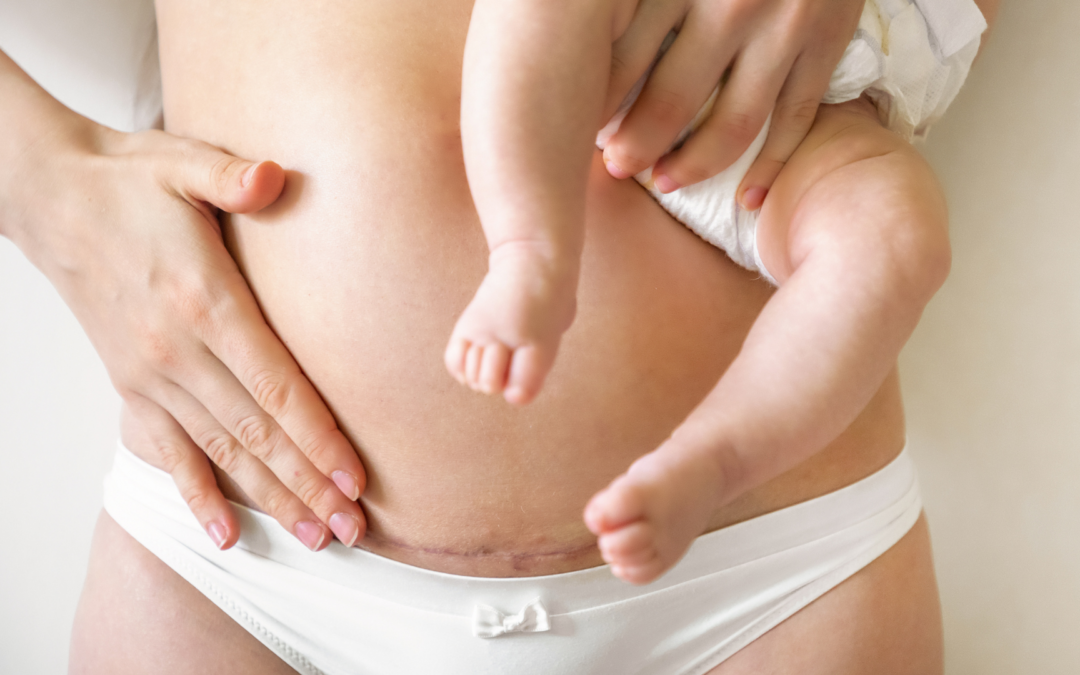
What Is an Isthmocele and How Does It Affect Pregnancy?
An isthmocele is a pouch-like defect that develops in the uterine wall following a caesarean delivery because the healing process is not fully completed. This pouching generally occurs in the anterior muscular layer of the uterus at the site of the caesarean incision.
An isthmocele may develop shortly after childbirth or many years later. Although it may not cause any symptoms in some women, it generally presents with complaints such as menstrual irregularities and vaginal discharge.

Vaginoplasty: When Is It Necessary, How Is It Performed and What Are the Risks?
Vaginoplasty, also known as posterior colporrhaphy, is a procedure designed to tighten the vagina. An alternative treatment is vaginal tightening achieved by heating the tissues with radiofrequency waves or laser energy. Patients with significant relaxation or laxity may not benefit from these treatments and may require surgical tightening procedures.

What Is Labiaplasty? Why Is It Performed and What Is the Recovery Process?
Labiaplasty is a surgical procedure performed to reduce or increase the size of the labia. Although this procedure is generally preferred for cosmetic reasons, it may also be performed to reduce physical discomfort. Every individual’s genital anatomy is unique, and there is no single definition of an “ideal” appearance.
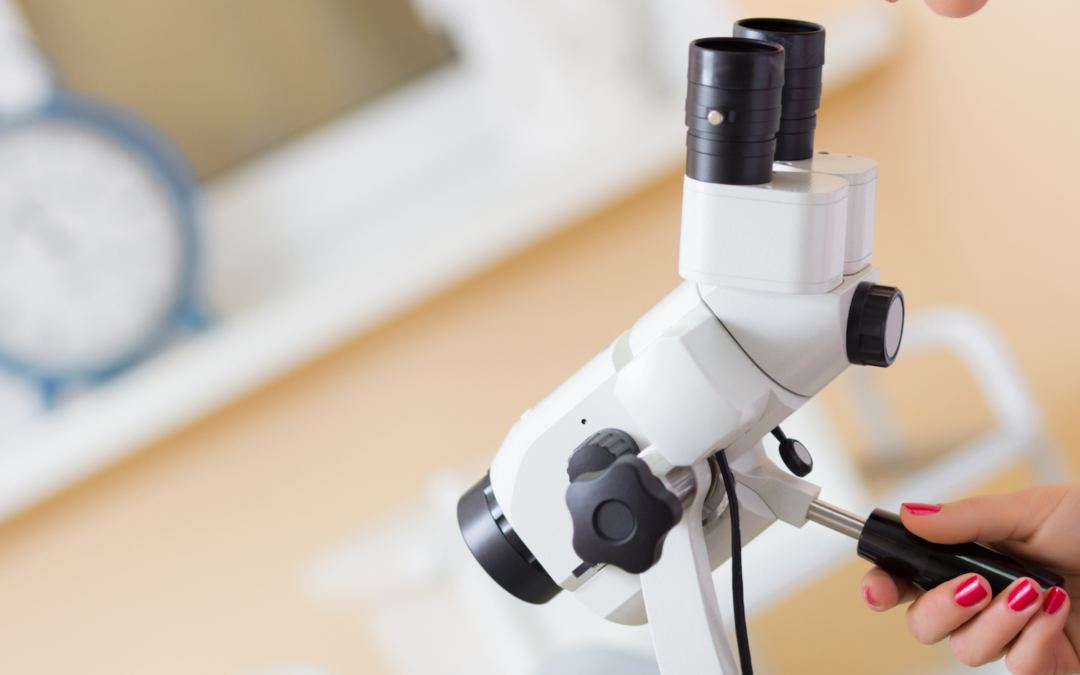
What Is Colposcopy and In Which Situations Is It Performed?
Colposcopy is a diagnostic method used to examine the tissues of the cervix, vagina and vulva in detail. Developed by Hans Hinselmann in 1925, this method remains one of the gold-standard procedures for evaluating abnormal Pap smear results and other cervical conditions.

Fibroids: Why Are They Important for Women’s Health?
Fibroids are benign muscular tumours that develop in the uterus. These growths, which consist of smooth muscle cells and fibrous connective tissue, may grow towards the uterine cavity, within the muscular layer of the uterus or towards the outside of the uterus. Approximately 20% to 80% of women develop fibroids at some point in their lives. Fibroids generally occur between the ages of 30 and 40 and may cause symptoms in some cases.
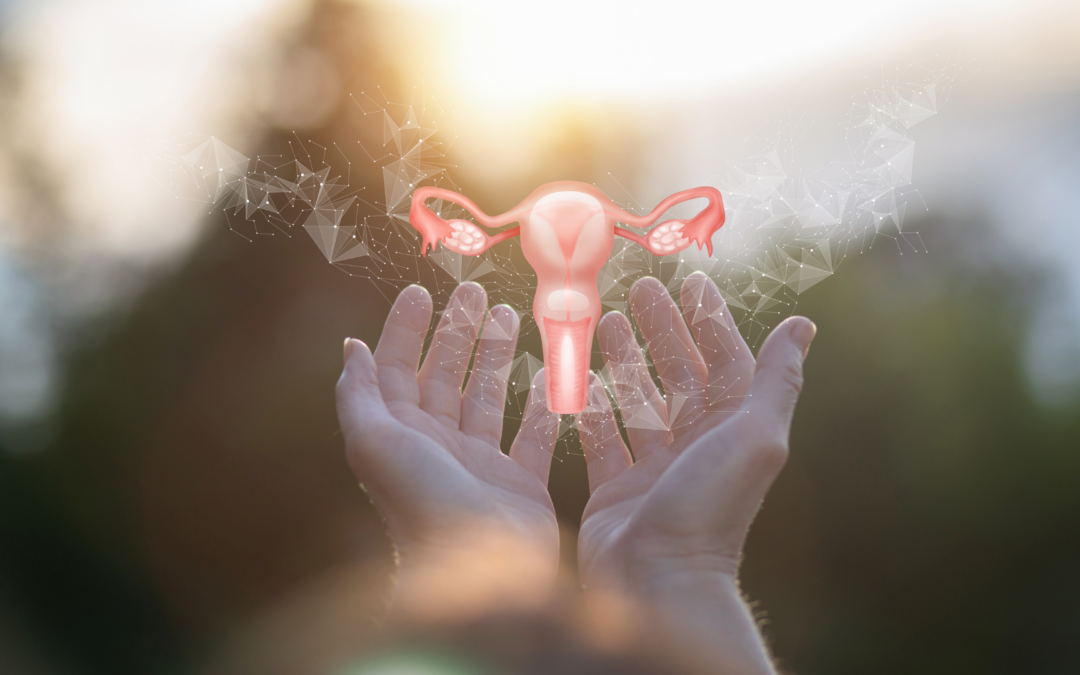
Hysteroscopic Surgery: The Effective Role of Hysteroscopy in Diagnosis and Treatment
Hysteroscopy is performed using a thin tube inserted into the uterus through the vagina. A camera and light system located at the tip of this tube allow the physician to directly examine the inner surface of the uterus. Like a telescope, it enables us to see every detail within the uterine cavity clearly.
A Comprehensive Guide to HPV and Genital Warts
HPV is a group of DNA viruses responsible for some of the most common sexually transmitted infections. This group includes more than 200 types of viruses, over 40 of which can be transmitted through sexual contact. Types that infect the genital area are referred to as “genital HPV.” HPV types are classified as low-risk or high-risk according to their potential to cause cancer

Menstrual Irregularities: Causes, Symptoms and Treatment Methods
A medical assessment is required to determine the cause of menstrual irregularities. This assessment includes a review of the patient’s medical history, a physical examination and any necessary investigations, such as hormone tests and ultrasonography. Appropriate treatment and management strategies can then be determined.

What You May Not Know About Endometriosis
Endometriosis is a condition characterised by the process in which the inner lining of the uterus thickens during the menstrual cycle and is shed through menstrual bleeding also occurring outside the uterus. Endometrial tissue located outside the uterus responds to the menstrual cycle; in other words, it thickens, sheds and bleeds each month in response to hormonal changes.

